Being involved in a car accident is overwhelming — and when the crash wasn’t your fault, it can be even more confusing to know what steps to take next. Your priority is staying safe, protecting your rights, and ensuring the insurance process goes smoothly. This guide walks you through exactly what to do after a car or truck accident, not your fault, from the moment the collision occurs to the days that follow.
This complete guide covers documentation and insurance tips, ensuring you’re prepared for the process or take help from truck accident attorneys in Boston. Following the right steps can help your claim, safeguard your health, and make sure your vehicle is repaired properly.
Step 1 — Ensure Safety After the Collision
Check for Injuries
Your safety comes first. Take a moment to assess your condition and check on passengers in both vehicles. If anyone is hurt — even slightly — call 911 immediately. Delaying medical attention can worsen injuries and complicate claims later.
Move to a Safe Area
If the vehicles can be driven, move them to the shoulder or a nearby parking lot. Turn on hazard lights. You want to avoid secondary accidents and ensure everyone at the scene is out of harm’s way.
Step 2 — Call the Police (Even for Minor Accidents)
Why a Police Report Is Crucial When You’re Not at Fault
A police report serves as an official, unbiased record of the accident. This document is essential when the fault is being evaluated by insurance companies. Without a report, the other party may dispute facts, leaving your claim at risk.
What to Tell the Officers
Stick strictly to facts.
Describe what happened, but do not speculate or accept blame. Even apologizing casually can be misinterpreted later.
Step 3 — Document the Accident Scene Thoroughly
Take Clear Photos & Videos
Your phone is your best tool here. Capture:
• Damage to all vehicles
• Road conditions, skid marks, and debris
• Intersection, stop signs, or traffic signals
• Close-ups and wide-angle shots
This visual evidence becomes extremely valuable if the other driver disputes fault.
Exchange Information the Right Way
Get the other driver’s:
• Full name
• Phone number
• Driver’s license number
• Plate number
• Insurance provider + policy number
• Vehicle make, model, and color
Avoid discussing who caused the crash — save that for police and insurance professionals.
Gather Witness Information
If anyone saw the accident, collect their name and contact information. Witness statements often carry significant weight in not-at-fault claims.
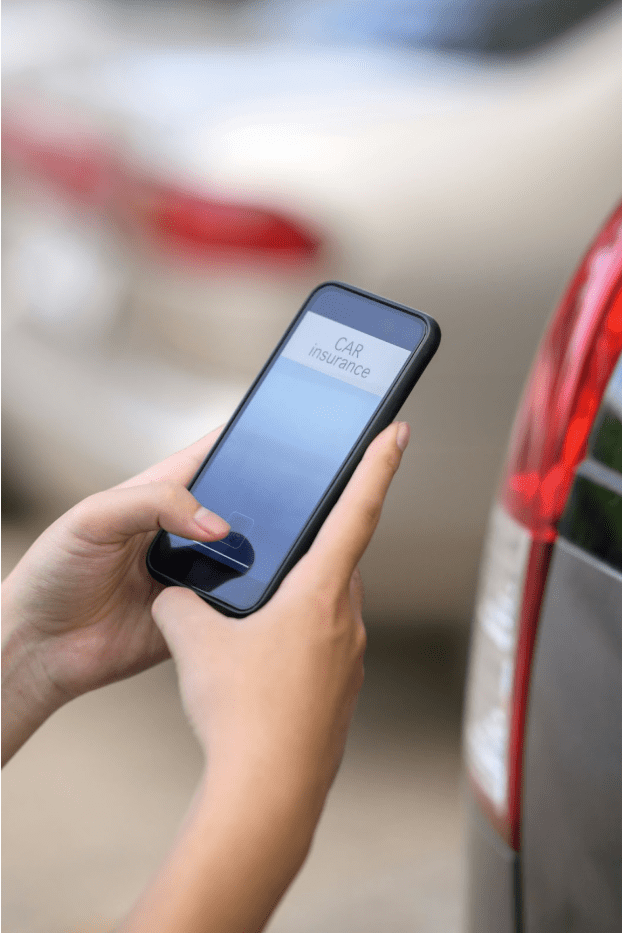
Step 4 — Notify Your Insurance Provider
File a Claim Even When You Aren’t at Fault
Reporting the accident protects you if the other party:
• Doesn’t report the accident
• Tells their insurer a conflicting story
• Has insufficient or no insurance
Your own insurer can also help guide you through next steps.
Provide Accurate Documentation
Have ready:
• Photos and videos
• Police report number
• Contact details of all involved
• Witness statements
The more information you share, the smoother the claim process becomes.
Step 5 — Get a Medical Evaluation (Even If You Feel Fine)
Common Delayed Injuries
Injuries like whiplash, concussions, nerve strain, and soft tissue damage might not appear for hours — or days. Never assume you’re uninjured based solely on how you feel immediately after the crash.
Why Medical Records Matter
Insurance companies may deny injury claims if you wait too long to seek treatment. Documenting your condition early protects both your health and your claim.
Step 6 — Protect Yourself Legally

When to Consider Legal Advice
You may want to consult an attorney if:
• Fault is disputed
• You suffered notable injuries
• The other driver is uninsured or underinsured
• You are being pressured to accept a quick settlement
Avoid These Common Legal Mistakes
- Never admit fault
• Do not give recorded statements to the other driver’s insurer
• Don’t sign anything before understanding what it means
Step 7 — Evaluate Vehicle Damage & Begin Repairs
Importance of Choosing a Trusted Auto Body Shop
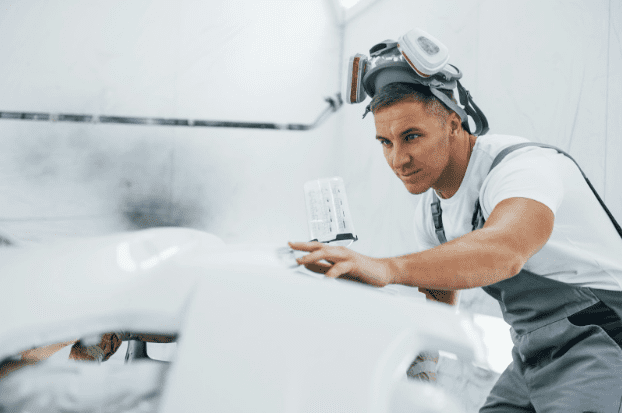
When your car is damaged in a not-your-fault accident, the repair quality matters for your safety, resale value, and insurance claim. A reputable shop will perform structural diagnostics, ensure correct paint matching, and use proper parts.
After the claims process begins, many drivers rely on an experienced auto body shop to accurately assess damage, document repairs for insurance, and restore the vehicle to pre-accident condition.
What to Expect During the Repair Assessment
- A full structural and cosmetic inspection
• Written repair estimates
• Communication with your insurance adjuster
• A clear repair timeline
The goal is to ensure nothing is overlooked — including hidden frame or suspension issues.

Step 8 — Understand Your Insurance Options When You’re Not at Fault
Repairs Through the At-Fault Driver’s Insurance
This is common and may include:
• Repair coverage
• Rental reimbursement
• Compensation for diminished value (in some states)
Using Your Own Collision Coverage
If the other insurer is slow to respond, you can use your insurance for faster repairs. Your insurer may later recover costs directly from the at-fault party.
Rental Car Coverage
Know your policy benefits — some insurers offer rental reimbursement immediately, while others require the at-fault driver’s insurer to approve it.
Step 9 — Avoid These Common Mistakes After a Not-Your-Fault Accident
Leaving the Scene Quickly
Always wait until police arrive or both drivers exchange all required details.
Not Calling Police
Lack of a police report can weaken your insurance claim.
Delaying Repair Estimates
This can slow your claim and allow hidden vehicle damage to worsen.
Accepting the First Settlement Offer
Insurance companies often start low.
Before committing to any settlement or repair authorization, many drivers seek a second opinion from a reputable auto body shop like Relux Collision shop based in Sacramento. This ensures the estimate includes all necessary structural and cosmetic repairs.
Step 10 — What to Do in the Days After the Accident
Track Symptoms or Pain
Injury symptoms may develop later — document them daily.
Follow Up With Insurance Adjusters
Respond promptly and keep communication written whenever possible.
Organize All Records
Keep:
• Police report
• Photos and videos
• Medical bills
• Receipts
• Repair estimates
• Insurance correspondence
Well-organized documentation strengthens your claim.
Conclusion
Knowing what to do after a car accident that is not your fault protects your health, your finances, and your legal rights. By staying calm, documenting everything, and working with trusted professionals — including qualified repair shops — you ensure the process goes as smoothly as possible.
A thoughtful and proactive approach helps you recover faster, navigate insurance confidently, and get your vehicle restored safely and correctly.