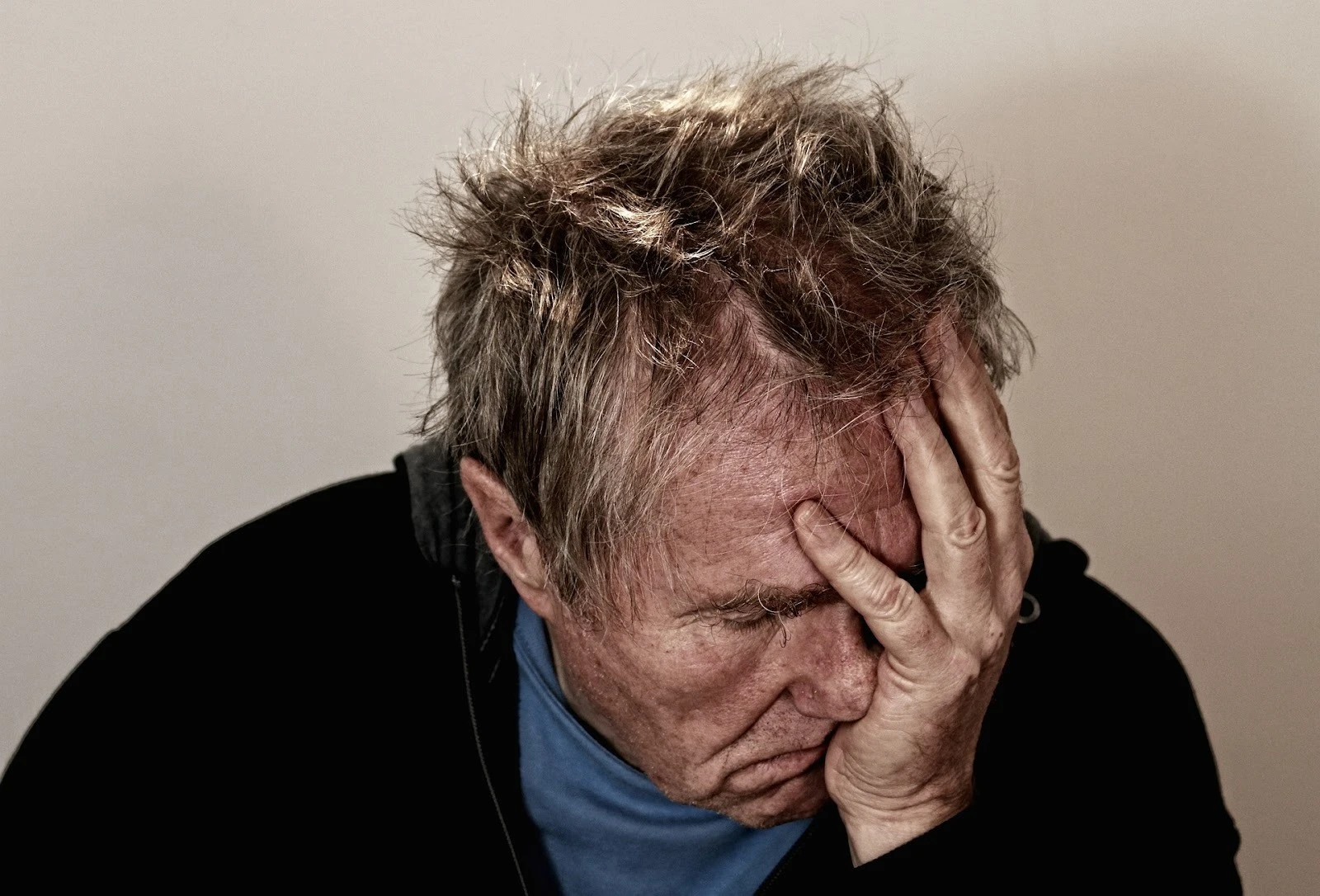
Burnout is usually imagined as a collapse. When a person becomes too overwhelmed to continue. They cry, or they go silent. Stay in bed, or discontinue to function on their best, highest level. But in reality, burnout often shows up wearing a suit. Meeting deadlines, closing deals, boarding red-eye flights, and saying, “I’m fine.” What’s underneath the suit needs a little digging.
Modern research shows that the most dangerous form of burnout is the one nobody sees. Not even the person living through it.
A 2022 review describes burnout as a chronic state that affects how we think, feel, and recover. Long before it affects how we work. What this means in practice? Someone can be exhausted, cynical, and emotionally numb. Still they manage to deliver top-tier performance. They function beautifully. Until they don’t.
For stellar performers in high-reward/ high-stakes careers, this “invisible burnout” is almost a professional hazard. They are stretched to the limit what feels like constantly, as competition breathes down their neck and expects them to fall apart.
Burnout ≠ Tiredness. Rewiring The Brain
Recent psychological testifies. Burnout is not a mood you can snap out of. It is rather a shift in how the brain handles stress, reward, and motivation. A 2024 review shows that the condition rewrites cognitive pathways, especially the ones responsible for meaning, drive, and emotional regulation.
In plain English, a person can still deliver on the outside while eroding on the inside. Elena Demerouti, one of the leading burnout researchers, writes that burnout builds through two silent processes:
- The body’s health wears down under chronic stress.
- The mind loses access to motivation and internal rewards.
For high-achievers, that loss of reward often looks like numbness rather than tiredness. They don’t feel the same joy, the same drive, or the same achievement. They feel… Nothing.

High Performers Burn Out Differently
Certain careers carry a larger emotional tax. They require constant strain on mental and physical resources. Those high-toll professions include founders, executives, surgeons, investors, elite creatives, top lawyers, wealth managers, family-office leaders, and many others.
These are people who operate under a constant hum of responsibility. Whose mistakes carry a price. Whose wins feed entire teams or companies.
Another 2014 study found that chronic burnout leads to a self-undermining cycle of sorts. People continue performing at a high level while slowly damaging their ability to focus, regulate emotions, and make balanced decisions.
This is the essence of high-functioning burnout. Output stays high. Inner world quietly collapses.
High earners and high-performers are uniquely vulnerable because the system rewards pushing through. The applause is intoxicating. The stakes are too high. The financial upside reinforces the cycle. In other words, you get praised for the work that drains you.
Who Could Have Thought? Nobody Sees It Coming
Professionals in high-stress domains often struggle to acknowledge burnout. The reason is not always evident. That’s partly because their workplaces normalize intensity.
And partly because admitting exhaustion feels like admitting weakness and defeat. Because in a lot of cases it is. There’s a line behind you ready to step over and take charge at all times. But at what cost?
But research shows another layer. Individuals in demanding environments often stop recognizing their own symptoms. During the COVID-19 pandemic, burnout among medical residents rose sharply, but many didn’t view their emotional decline as burnout. They saw it as “just part of the job.”
Same goes for corporate leaders, founders, top consultants, portfolio managers, and anyone whose work requires both exceptional performance and emotional armor. Anyone we’ve discussed in the beginning.
What do they tell themselves instead? They reinterpret their burnout as:
- “I just need to push harder.”
- “It’s a busy season.”
- “This is the price of success.”
- “I don’t have the luxury to slow down.”
Slowing down feels like disappearing. Maybe, rightfully so. However, there comes a time when even high performers need to reset priorities.

For some, the first wake-up call is watching themselves talk on camera. A short self-recorded video, cut down in a basic online video editor can reveal just how exhausted you look and sound compared to how “fine” you say you are.
Can’t Ignore The Vessel
Biology doesn’t care how successful you are. Full stop. You can fool yourself into whatever floats your boat, but the body doesn’t lie.
Burnout leaves fingerprints all over the body. It can surface in several areas, such as sleep disruption, heart issues, emotional volatility, cognitive fatigue, and even accelerated aging markers. A 2024 scoping review highlighted more than 30 interconnected psychological, biological, and lifestyle factors that quietly accumulate in high-pressure environments.
Even individuals with wealth, privilege, support staff, and flexible schedules are not completely exempt from this issue. Money can smooth out the rough edges of stress. It cannot neutralize chronic cortisol cycles or emotional depletion.
What wealth can also do is worsen the denial. Private jets, assistants, wellness memberships, and luxury escapes offer temporary relief, but no lasting repair. As one study notes, burnout reduces overall quality of life long before it visibly impacts work.
That “early” step doesn’t have to start with a life coach or a silent retreat. Recording a two-minute end-of-day video check-in and trimming it in clideo.com might work.
High-Responsibility Careers Suffer
High-paying, high-responsibility careers combine factors that burnout research consistently flags as dangerous:
- Constant decision-making in uncertain conditions
- High personal accountability
- Identity tied to performance
- Low emotional support due to privacy or status walls
- Unpredictable schedules and chronic travel
- Pressure to appear unshakeable
Cross-cultural research has also been done. It confirms that burnout is most likely when a person’s identity becomes fused with their professional role. They are not just working demanding jobs. They ARE the job. That’s what makes their burnout so invisible.