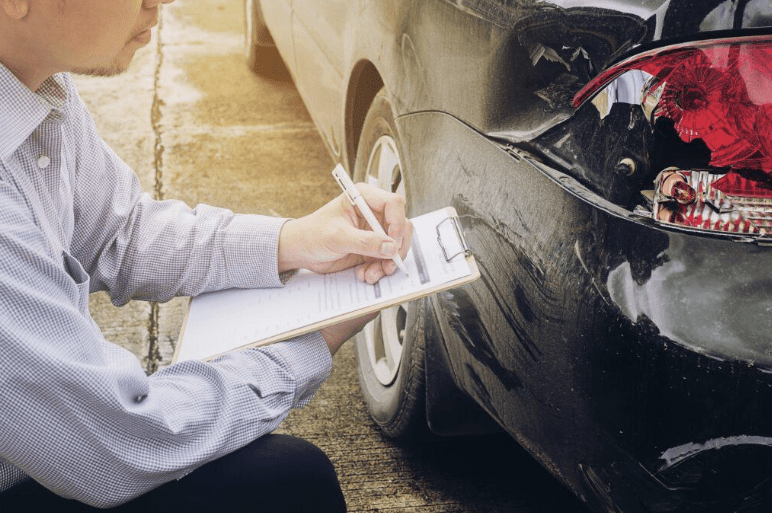
In the United States, every insurance company follows a clear and standard method to check the condition of the vehicle after an accident and estimate its right value. When a car is badly damaged in an accident, many people first worry about whether it can be repaired or not.
An insurance company usually decides to total a car when the damage is too high compared to the actual value of the vehicle. Because of this varied approach, it becomes important for every driver to understand how this decision is made that a car may be considered a total loss.
Signs Your Car Is Totaled
Below are a few common signs that show your car may be totaled:
- The damage looks too heavy, and major parts like the frame, engine, or airbag system are broken.
- The repair cost seems higher than what the car is worth in the current market.
- The car cannot be safely driven anymore.
- The car has water damage, fire damage, or structural bending that affects its stability.
Most of the time, even if the car looks somewhat okay from the outside, internal damage can be very expensive to fix. This is when the insurance company starts looking closely.
How the Determination Is Made from the Insurance Side
Insurance companies in the United States always follow a clear and simple formula to decide if a car is totaled after an accident. They compare the cost of repairing the car with the car’s Actual Cash Value (ACV) before the accident.
And if the repair cost is close to or more than the ACV, they usually declare the vehicle a total loss. But remember, each state in the U.S. has its own “total loss threshold.”
Example:
- Some states allow the insurer to total the car if the repair cost is 75% of the ACV.
- Some states require a full comparison of repair cost vs. value to make the decision.
If the repair amount goes beyond this limit, the insurance company simply pays you the ACV instead of repairing the vehicle.
Factors That Determine the Car’s Actual Cash Value (ACV)
The ACV is the most important part in this calculation. Insurance companies check many things before deciding this value:
- Vehicle age
- Make and model
- Mileage
- Condition of the car before the accident
- Any previous accidents or repairs
- Market value of similar cars in your area
- Added features or upgrades (if they increase value)
The point of view of your insurance company is that the ACV is the fair market price of your car before the accident happened. This is the amount they will offer you if the vehicle is declared a total loss.
How Much Is a Totaled Car Worth?
If your car is totaled, you will usually receive a payment equal to its actual cash value minus your policy deductible. This payout is meant for you to financially support you to buy another vehicle of similar value.
In some cases, if you want to keep the car even after it is totaled, the insurer may allow you to buy it back at a “salvage value.” But then the car will get a salvage title, and using or selling it later becomes difficult. So, most people prefer taking the ACV payout and moving on.
Legal Help Is Really Important
Sometimes, the insurance company may undervalue your car or offer an amount that feels unfair. At such times, you really need legal support. A lawyer can:
- Review the insurer’s ACV calculation
- Check if all factors were properly considered
- Negotiate for a better settlement if needed
- Make sure you do not accept a lower amount than what your car is actually worth.
If the accident happened due to someone else’s negligence, legal support becomes even more important because you may be able to claim compensation beyond the ACV.
Key Takeaways
- Insurance companies total a car when the repair cost is higher than or close to the car’s current market value.
- A car’s value is decided mainly by its age, condition, mileage, and the market price of similar vehicles.
- If a car is totaled, the owner usually receives the Actual Cash Value as the payout.
- Legal help can protect you if the insurance company undervalues your car or offers a low settlement.