Shopping aisles often feel safe and familiar. Yet, unstable stacks of goods hide real dangers for everyone around them. Understanding these risks highlights the need for better practices, especially when seeking personal injury representation after an incident.
Common Stacking Mistakes In Retail
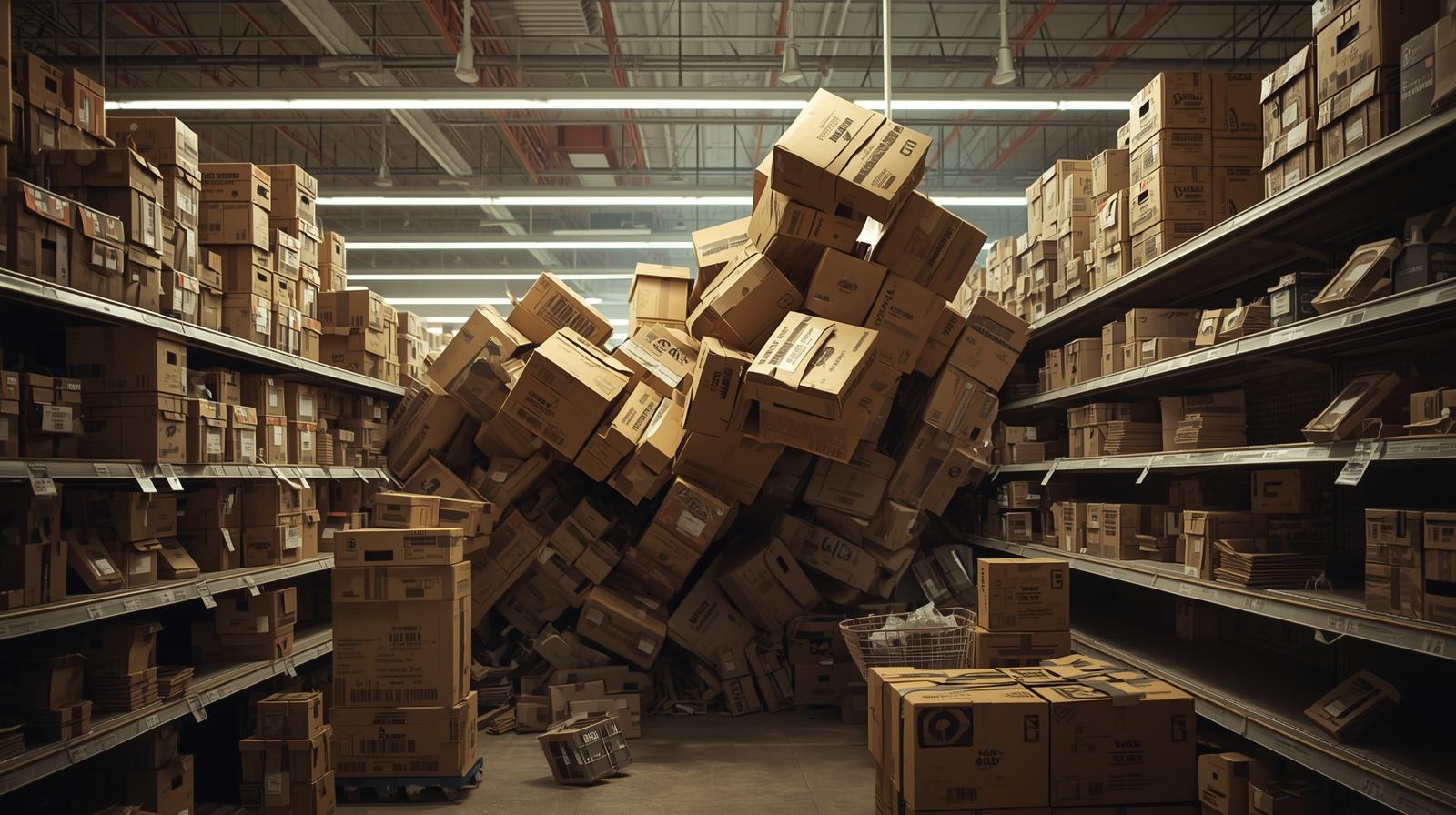
Stores frequently overload shelves beyond their capacity. Heavy items end up on top without proper support below. This setup creates an imbalance that can shift at any moment.
Workers rush during restocking without first checking stability. Uneven surfaces or worn-out shelving go unnoticed. Minor oversights like these turn routine tasks into hazards.
Customers unknowingly contribute by pulling items from unstable piles. No one expects a simple reach to trigger a collapse. These everyday errors build up over time.
Why Stacks Become Unstable
Weight distribution plays a key role in securing merchandise. Heavier boxes should be placed at the bottom to anchor the load. When lighter goods sit below, the entire structure wobbles easily.
Interlocking layers help materials grip each other tightly. Straight columns without cross-tying allow sliding during vibrations. Even a bumped cart can set off a chain reaction.
Environmental factors add to the problem, too. Spills create slippery floors under stacks. Over time, dust and wear weaken connections between items.
Types Of Injuries From Falling Merchandise
Struck-by accidents tend to cause the most immediate injuries. When heavy items like cans or boxes fall, they can hit the head or shoulders with significant force, often leading to concussions or broken bones.
Crushing injuries happen when limbs get caught under collapsing stacks. Hands and feet can become pinned, causing fractures or nerve damage. These types of injuries often require weeks or more of recovery time.
There are also longer-term effects. Quick movements to avoid falling items can lead to back strains, and soft-tissue injuries can worsen without proper treatment. The slow recovery process can also bring added stress and frustration.
Factors That Increase the Risk
Crowded store areas heighten the danger. More people moving through tight aisles puts extra pressure on unstable stacks, and hurried shoppers can unintentionally worsen conditions.
Poor maintenance also plays a role. Loose fixtures or cracked shelves that go unnoticed can turn minor problems into more serious hazards when regular inspections are skipped.
Seasonal rushes add even more strain. Holiday displays and temporary setups are often assembled quickly, and without enough staff or time, necessary safety steps may be overlooked.
Preventive Steps For Retailers
For each stack, start with solid bases. Level floors and strong pallets provide a firm foundation. Steer clear of broken equipment that might break under pressure.
Observe height restrictions determined by shelf strength. For every employee, clearly indicate the maximum levels. When stocking, this straightforward guideline keeps you from going too far.
Teams should receive regular training on appropriate techniques. From the beginning, teach weight rules and interlocking. Practical experience creates enduring habits.
Customer Awareness And Actions
Shoppers should scan stacks before reaching high. Look for signs of leaning or bulging that indicate trouble. Step back if something feels off.
Report shaky displays to staff right away. A quick alert can prevent harm to others. Don’t hesitate to point out potential issues.
Choose safer paths in crowded stores. Avoid lingering under heavy overhead loads. Awareness makes routine visits safer.
Legal And Safety Standards Involved
Regulations demand stable storage in all workplaces. Guidelines require blocking and securing against falls. Retailers must meet these requirements to protect everyone inside.
Inspections catch violations before they cause trouble. Routine checks ensure compliance with basic rules. Non-follow-through leads to fines and shutdowns.
When accidents happen, documentation matters. Photos and witness accounts build strong cases. Seeking personal injury representation early effectively guides the process.
Conclusion
Poorly stacked merchandise turns everyday shopping into a gamble. Simple changes in habits and oversight can prevent most incidents. Prioritizing safety benefits stores and customers alike, making spaces truly secure for all.