A car accident changes life instantly. While immediate physical injuries are addressed, long-term nerve damage to the peripheral system can cause lasting paralysis, stealing movement, and making simple tasks difficult. When a nerve is damaged, the brain’s crucial signal can’t reach the muscle, creating a disconnect that traditional rehabilitation struggles to repair. That’s why, in the immediate aftermath of such a trauma, besides seeking medical attention, it’s often wise to talk to a lawyer after your car accident to understand your rights regarding long-term care, especially when specialized treatments like Functional Electrical Stimulation (FES) are needed. FES is an exciting technology that’s stepping in to help bridge this communication gap, offering a renewed pathway for mobility and independence.
What is Functional Electrical Stimulation (FES)?
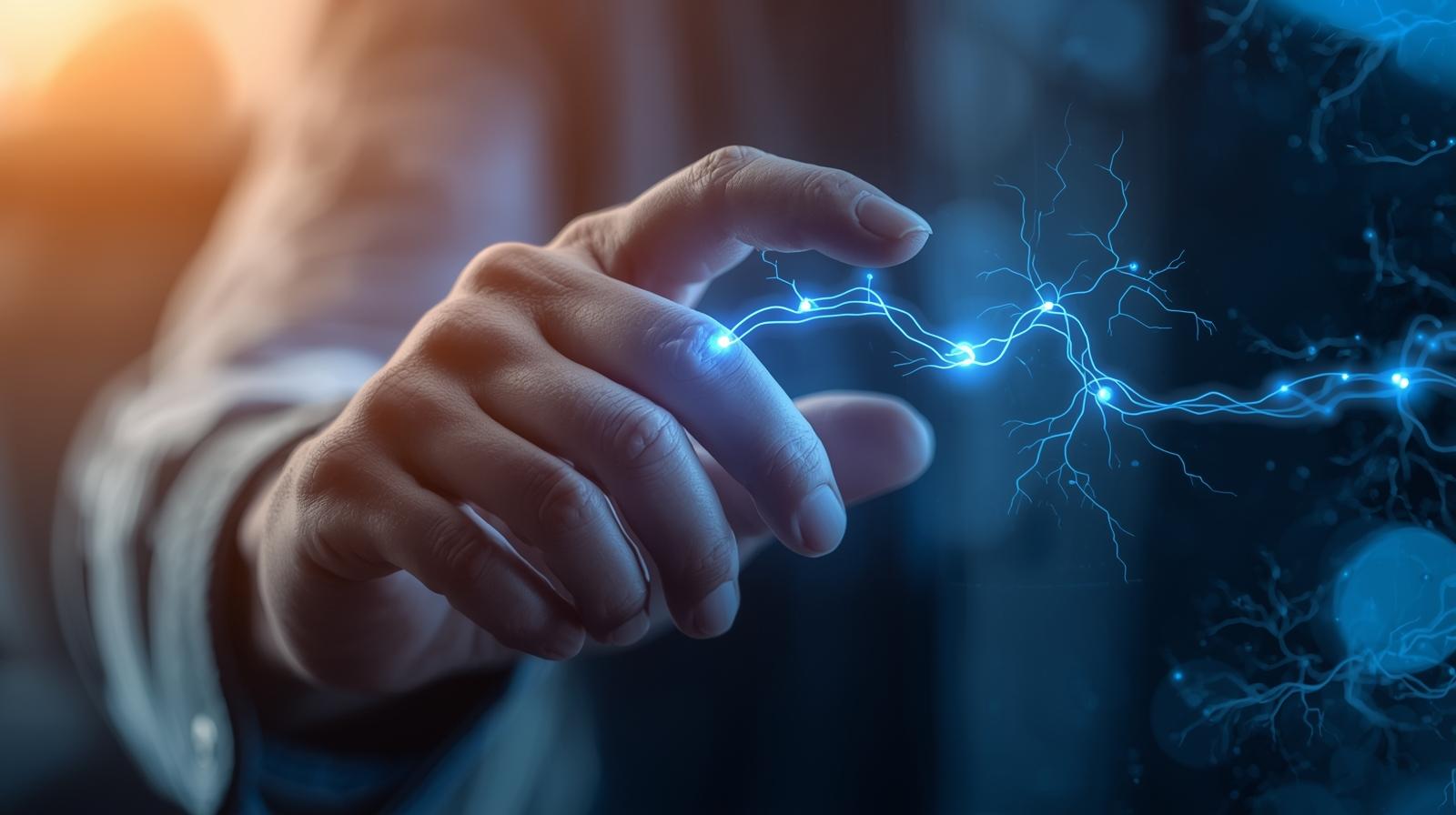
Imagine your nervous system as a complex network of electrical wires; when a wire is cut, the signal stops. Functional Electrical Stimulation is a way to bypass that cut or damaged section by delivering an external electrical impulse to the muscle. This isn’t just a generic shock; the stimulation is highly specialized, timed, and patterned to cause a paralyzed or weakened muscle to contract functionally. For instance, in a person with foot drop, a common post-accident neurological deficit where the foot drags, an FES device placed near the common peroneal nerve can lift the foot at precisely the right moment during a step, mimicking the action the damaged nerve should be performing. The “functional” part is key: it’s not just about making the muscle twitch; it’s about restoring a purposeful movement like grasping, standing, or cycling.
The Dual Benefits: Retraining and Strengthening
FES offers a two-pronged attack on nerve-related paralysis. First, it provides immediate functional assistance. A person using an FES device for gait can walk more naturally, improving their stability and confidence, and reducing the risk of falls. This immediate benefit is transformative for their quality of life.
Second, and perhaps more profoundly, FES serves as a rehabilitation tool that promotes long-term recovery through the concept of neuroplasticity. By repeatedly contracting the muscle and causing the movement, FES essentially reminds the central nervous system (the brain and spinal cord) of the correct movement pattern. This constant, functional use of the muscle helps to:
- Prevent Disuse Atrophy: Maintain muscle tissue health and strength even when the nerve supply is compromised.
- Encourage Axonal Regrowth: Muscle activity can create a more favorable environment for damaged nerve fibers (axons) to regenerate and eventually reconnect with the muscle.
- Re-map the Brain: Functional movement trains the brain to reorganize and find new pathways to communicate with the muscle, a crucial step toward permanent recovery.
It’s a “use it or lose it” scenario, and FES ensures the affected limb stays in the game, actively participating in movement.
Specialized FES Systems and Applications
The application of FES extends far beyond simple walking aids. Specialized FES systems are being developed and used for a wide range of post-accident nerve injuries.
- Upper Limb and Hand Function: Devices are now sophisticated enough to allow individuals with tetraplegia or severe hand nerve damage to regain the ability to grasp and release objects, dramatically improving their ability to perform daily living tasks such as eating and writing.
- FES Cycling and Rowing: High-tech exercise systems use FES to power the legs or arms of individuals with paralysis, allowing them to engage in rigorous cardiovascular exercise. This is vital not only for physical health (circulation, bone density) but also for mental well-being and reducing secondary complications associated with immobility. The intense, repetitive, functional input from these sessions is a potent stimulus for neurological change.
- Bladder and Bowel Management: In cases where nerve damage affects autonomic functions, FES can also help restore some control over the bladder and bowel, significantly impacting an individual’s independence and dignity.
These advanced applications showcase the versatility of FES, transforming it from a simple assistive technology into a core component of comprehensive neurorehabilitation.
Navigating the Road to FES Therapy
While FES is a game-changer, accessing the therapy can pose its own challenges. It requires a dedicated, highly trained rehabilitation team, including physical therapists, occupational therapists, and neurologists, who can precisely tune the devices to the individual’s specific needs and motor control. Furthermore, FES equipment can be expensive, and coverage can be inconsistent, making the financial side of treatment a significant hurdle for many survivors. Understanding the complexities of insurance and liability is crucial for long-term care planning.
Final Thoughts
Ultimately, Functional Electrical Stimulation represents a powerful synthesis of technology and neuroscience, offering tangible hope for recovery and independence to individuals facing the long-term consequences of nerve damage after an accident. It’s a compelling example of how electrical impulses can literally spark life back into a paralyzed limb. If you or a loved one is exploring options for long-term recovery and specialized care following an accident, remember that understanding your legal and financial standing is an important first step, and it can be highly beneficial to talk to a lawyer after your car accident to secure the resources needed for therapies like FES.