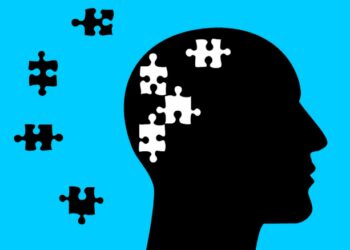
In today’s stressful lifestyle, everyone is physically and mentally stressed. Incorporating yoga into your life can greatly help you find relief from these problems. Yoga teacher training improves your mind-body connection in many ways, such as by increasing self-awareness, reducing stress, and improving brain health. It helps you understand your body’s needs and control your emotions, leading to increased mental clarity and physical energy. Yoga and meditation reduce stress hormones (like cortisol), which helps combat mental health issues like anxiety and depression. Regular practice makes you more aware of the activities happening in your body and mind. This helps you control your emotions, which increases self-confidence. Meditation and focusing on breathing promote inner balance. Research has shown that yoga can strengthen the parts of the brain responsible for learning, memory, attention, and awareness. The intensive practice of yoga teacher training helps you connect with your “true nature” and establish a deeper connection between body, mind, and spirit.
Yoga teacher training covers the in-depth study of how the human body works and how yoga postures affect it. The correct form and practice of various asanas are taught. Other yoga practices, such as pranayama, meditation, mudras, and bandhas, are also included. Teachers are taught how to effectively conduct classes, provide proper guidance to students, and adjust their postures.
Participants at yoga teacher training in rishikesh receive a thorough education about diversity in meditation techniques while learning various yoga postures during their curriculum.
Deepening Self-Awareness Through Practice
As you perform yoga asanas, you pay attention to the movements, alignment, and sensations in various parts of your body. You gain a deeper comprehension of your body’s requirements and limitations with this awareness. Creating and maintaining balance in various poses improves body control and coordination. You can quickly identify areas of body tension or tightness with regular practice, allowing you to act quickly to relieve them. Yoga fosters a profound connection between the mind and body. Physical signals like shrugging shoulders when stressed help you understand your emotional state. Breathing serves as a link between mental state and bodily functions. One can develop a connection between the body, mind, and spirit by controlling one’s breathing. Meditation helps people feel calm and peaceful inside, which is important for their overall health. A deeper understanding of yoga also helps you discover where emotions and trauma are physically stored. Through slow, deliberate movement and breathing, you learn to recognize these patterns of stress and overcome them with compassion.
The Psychological Benefits of Yoga Teacher Training
The yoga asanas, breathing exercises, and meditation taught during YTT help calm the body’s nervous system and reduce cortisol (the stress hormone) levels. Yoga practice encourages focus on the present moment, which helps distract from external stressors and negative thoughts, and reduces mental fatigue. Pranayama increases oxygen supply to the brain, calming the mind and reducing anxiety levels. The emphasis on focus and concentration during YTT improves cognitive functions, such as memory, decision-making, and creative thinking. It reduces mental clutter. YTT is a disciplined practice. It develops qualities like self-discipline and patience, which also help in other aspects of life.
Building Physical Awareness and Strength
This involves using weights or other forms of resistance to strengthen muscles. Start slowly and increase over a few weeks. Stretching improves flexibility and prevents injury. Asanas like Surya Namaskar, Naukasana, Utkatasana, and Phalakasana help increase body awareness, flexibility, and strength. Exercise can improve balance by strengthening joints and tissues throughout the body, preventing falls. It is important to give muscles adequate rest to recover, and you should start slowly and gradually increase the intensity of your exercise. Body awareness helps a person better understand their body’s signals, such as stress or fatigue. Physical activity and exercise release endorphins (happiness hormones), which help improve mood and reduce stress and anxiety. Exercise increases blood flow to the brain, which improves memory, thinking ability, and mental clarity.
Connecting Mindfulness with Movement
Before beginning a practice, students are taught to establish an intention or “sankalpa.” This intention can be physical (such as increasing flexibility) or mental (such as finding peace). This intention sets a direction for the practice. YTT teaches how to bring the mind back to the present moment. This involves focusing the attention on breathing, body sensations, or a specific point. This reduces mental distraction. Each movement is taught to synchronize with breathing and intention. This is called “mindful movement.” In YTT, students aspiring to become teachers learn how to perform each movement with awareness, rather than mechanically performing the asanas.
Maintaining awareness even during transitions creates a flow in the practice. It strengthens the connection between body and mind. Mindful transitions help regulate the autonomic nervous system. When movements are slow, conscious, and coordinated with breathing, it activates the body’s “rest and digest” response (parasympathetic nervous system), reducing stress and anxiety. Conversely, rushed or thoughtless transitions can activate the “fight or flight” response (sympathetic nervous system), increasing stress levels. Mindful practice helps reduce the cycle of stress, allowing a calmer state to emerge.
Transformative Impact on Daily Life
Mind-body awareness calms the mind, leading to clarity of thought. This helps one make rational and balanced decisions by better understanding the situation, rather than making decisions under the influence of stress or emotions. Listening to body signals and achieving peace of mind strengthens intuition. People learn to trust their inner voice, which helps in making important decisions. The discipline learned during YTT provides the ability to manage emotional reactions. This reduces impulsive decisions. Individuals learn to better express their feelings and listen to others without prejudice. This improves communication skills and reduces misunderstandings. Self-discipline and a sense of self-respect help people set healthy boundaries, leading to more balanced and respectful relationships.
YTT teaches discipline, such as regular yoga practice, meditation, and a nutritious diet. These habits improve overall health and energy levels. Calm and balanced behavior inspires family members and friends to be more calm and mindful as well. This influence gradually helps spread harmony and peace throughout the community and society, creating a healthier and more conscious environment.
Conclusion
Yoga teacher training improves physical strength, flexibility, and balance. A deep understanding of anatomy and proper alignment helps prevent injuries and can resolve chronic problems, such as back pain. It improves respiratory function, detoxifies the body, and increases overall vitality through a disciplined routine. This training provides powerful tools to overcome stress, anxiety, and lack of mental clarity. The practice of meditation, pranayama (breathing techniques), and yoga philosophy calms the mind, brings emotional stability, and deepens self-awareness. This improves decision-making, increases patience, and develops a more positive outlook on life.