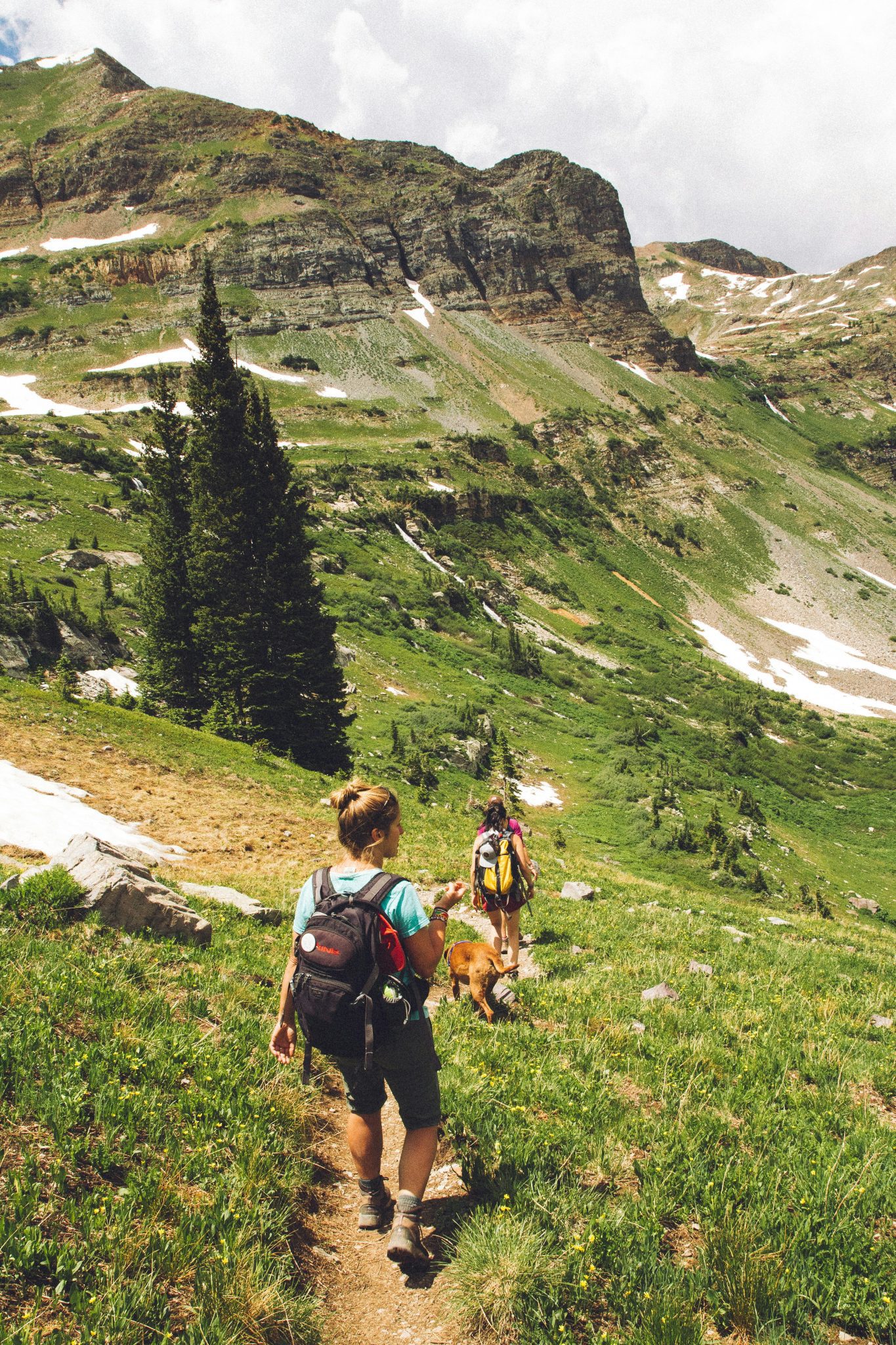
Planning a multi-day outdoor adventure is one of the most rewarding ways to reconnect with nature and challenge yourself physically and mentally. Whether it’s hiking through rugged mountain terrain, kayaking along scenic waterways, or exploring national parks, these trips create lasting memories and personal growth.
Extended outdoor excursions require careful organization, realistic preparation, and the right mindset. Knowing what to expect before heading into the wilderness helps ensure safety, comfort, and enjoyment throughout the journey. From gear selection to daily logistics, every detail matters when your destination lies beyond the beaten path.
Preparing the Right Skills and Activities
The foundation of a successful adventure trip starts with understanding your skill level and the type of activities you plan to pursue. Each outdoor experience, whether backpacking, climbing, fishing, or cycling, demands unique abilities and preparation.
Taking the time to build these skills beforehand makes your trip safer and more enjoyable. For example, many travelers choose to learn fly fishing with professional guides before venturing into remote areas. Mastering proper technique enhances the experience and ensures that participants can fish responsibly and confidently.
Guided lessons often include insights into local ecosystems, safety practices, and sustainable methods that protect the environment while improving your proficiency. Attending workshops or practice hikes helps develop stamina and adaptability, two important traits for multi-day expeditions.
Selecting activities that match both your experience and your group’s abilities is critical. Overestimating endurance levels or underestimating the terrain can lead to exhaustion or injury. If the trip includes multiple types of outdoor activities, such as paddling and hiking, balance the schedule to allow adequate recovery time between demanding days.
Choosing the Ideal Destination and Season
Every outdoor location has its optimal season for exploration. Factors like weather, daylight hours, wildlife patterns, and accessibility play a major role in determining when and where to go. Researching climate data and local regulations ensures you’ll encounter favorable conditions rather than unexpected challenges.
For instance, mountain trails might be safest in late spring or early fall, while desert regions are best explored in cooler months. Rivers suitable for kayaking or rafting vary in difficulty depending on seasonal water flow. National park websites and local ranger stations often provide updated information about trail closures, camping permits, and environmental conditions.
Planning Logistics and Itineraries
Once you’ve chosen your destination, building a detailed itinerary keeps the trip organized and stress-free. Multi-day adventures often cover long distances or multiple campsites, so structure each day with achievable goals. Account for travel time, rest breaks, and unexpected delays caused by weather or terrain.
Start by mapping out the route and noting landmarks, elevation changes, and water sources. If camping, research designated sites, fire restrictions, and local wildlife precautions. Establishing a communication plan is vital. Portable GPS trackers or satellite communicators allow you to share your location and call for help if necessary.
Packing Essentials for Multi-Day Comfort
Packing efficiently determines how comfortable and mobile you’ll be throughout the trip. Every item should serve a purpose, and weight distribution within your pack is critical for maintaining energy. Start with the core essentials: shelter, sleeping gear, clothing, food, navigation tools, and first-aid supplies.
Lightweight tents, sleeping bags rated for your climate, and compact cooking equipment minimize strain while keeping you equipped for variable conditions. Layered clothing systems adapt to changing weather, with moisture-wicking fabrics to stay dry and insulated layers for warmth.
Staying Safe and Aware in the Wilderness
Safety is the foundation of every outdoor adventure. Familiarize yourself with potential risks such as altitude sickness, dehydration, hypothermia, and wildlife encounters. Preparation begins with education, understanding your surroundings, and having the right tools to respond to emergencies.
A compact first-aid kit tailored to your group’s needs should always be accessible. Include bandages, antiseptic wipes, blister treatment, and any personal medications. Learn basic first-aid procedures and wilderness survival techniques before departure.
Building Mental and Physical Endurance
Multi-day trips challenge both the body and the mind. Even seasoned adventurers experience moments of fatigue, frustration, or discomfort. Preparing mentally is as important as physical conditioning. Training hikes, gym sessions, and cardio exercises improve stamina, but mindset determines how well you adapt to unforeseen challenges.
Approach the journey with patience and flexibility. Accept that conditions might not always go as planned and that obstacles are part of the experience. Practicing mindfulness during travel, such as focusing on your surroundings and appreciating small details, helps manage stress and enhances enjoyment.
Making the Most of the Experience
A multi-day outdoor adventure is more than a physical endeavor, it’s an opportunity for personal discovery. Disconnecting from daily routines and technology fosters mindfulness and connection with nature. Keep a travel journal or take photos to document your journey, capturing not just the scenery but the emotions and lessons gained along the way.
Engage with local communities or guides who share insights about the region’s history, wildlife, and cultural significance. These interactions enrich your experience and deepen your appreciation of the environment you’re exploring.
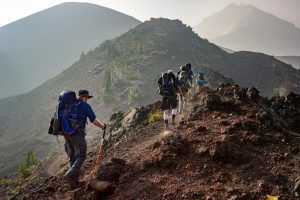
Every sunrise on the trail, every quiet moment by a river, and every shared laugh around a campfire remind you why adventure matters. With thoughtful preparation and an open spirit, your next outdoor journey will not just test your limits, it will transform them.