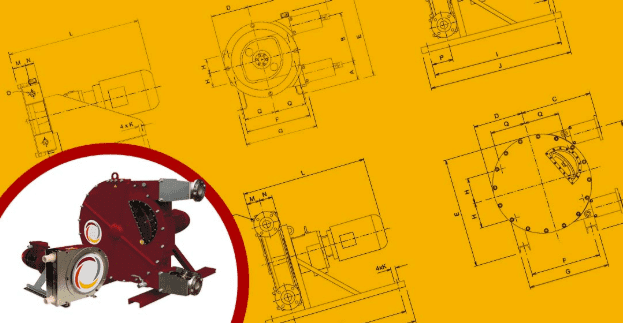
Source- DAE Pumps
An essential part of contemporary industrial pumping systems are peristalsis hose pumps. These pumps, which are well-known for their adaptability, robustness, and minimal maintenance requirements, have established a significant presence in a number of heavy industry sectors. They can handle a variety of fluids, including water, chemicals, slurries, and viscous materials, thanks to their straightforward yet efficient operation.
Understanding the fundamentals of how peristaltic hose pumps work and their applications in different industrial environments helps stakeholders make informed decisions about fluid handling solutions. This guide provides a detailed look at their functionality, design benefits, and widespread uses in mining, wastewater treatment, chemical processing, and beyond.
Why Peristaltic Hose Pumps Are Ideal for Heavy Industry
Peristaltic hose pumps stand out in heavy industry due to their robust design and ability to handle challenging fluids without compromising on performance. The absence of valves, seals, or glands significantly reduces the likelihood of mechanical failures, making them ideal for continuous and demanding operations.
Designs for heavy-duty hose pumps are especially made to resist viscous, corrosive, and abrasive fluids that are frequently encountered in industrial settings. In areas where other pump types can malfunction because of wear or blockage, these pumps deliver dependable operation. To further increase their adaptability for demanding industrial activities, industrial hose pump systems may run dry without causing harm and have the capacity to self-prime.
Some key features that make peristaltic hose pumps a preferred choice for heavy-duty operations include:
- High abrasion resistance
- Ability to handle high solid content
- Reversible flow functionality
- Minimal downtime due to easy hose replacement
- Seal-free design for leak-proof operation
These characteristics collectively position peristaltic hose pumps as reliable and efficient heavy industry pumping solutions.
Core Components and Operation
Understanding the peristaltic pump’s operation is crucial to comprehending why these pumps perform so well in industrial settings. Fundamentally, the pump works by sequentially compressing a flexible hose or tube using rollers or shoes. In order to replicate the natural peristalsis movement found in biological systems, this compression produces a vacuum that pulls fluid into the hose and forces it forward.
Key components of a peristaltic hose pump include:
- Flexible Hose: Typically made of reinforced rubber or other durable materials to withstand aggressive media and high pressures.
- Rotor with Rollers or Shoes: These components compress the hose and move fluid through the system.
- Pump Housing: Encloses the rotating mechanism and provides structural integrity.
- Drive Motor: Powers the rotor, determining flow rate and direction.
This straightforward yet incredibly efficient design enables accurate dosage, little contamination, and the handling of a broad range of fluids, including ones with high viscosity or suspended particulates.
Peristaltic Pump Applications in Mining
Some of the most challenging working environments for pumping equipment are found in the mining sector. Pumps that are robust and effective are necessary for slurries that contain chemicals, abrasive particles, and different pH levels. Peristaltic hose pumps easily meet these specifications.
A mining peristaltic pump is ideal for transferring mineral slurries, reagents, and tailings. Its ability to handle high solid content without clogging or wearing down quickly makes it a valuable asset in mineral processing plants.
The hose pump for slurry transfer in particular has become more and more popular due to its ability to avoid cross-contamination, minimize downtime, and maintain steady flow rates even in challenging circumstances. Because of the pump’s delicate fluid handling, shearing is reduced and the slurry’s integrity is maintained during transportation.
Use in Water & Wastewater Treatment
Water and wastewater treatment plants rely on equipment that can accurately dose chemicals, handle sludge, and operate continuously with minimal maintenance. The peristaltic pump for wastewater applications excels in this environment.
These pumps are used extensively for chemical dosing, pH control, and sludge transfer. Their seal-free design eliminates the risk of leaks, making them safe for dosing hazardous chemicals such as chlorine, ferric chloride, and polymers.
Their capacity to handle abrasive and viscous fluids without clogging is a significant advantage in wastewater environments. Delivering exact amounts of treatment chemicals, guaranteeing adherence to environmental rules, and maximizing treatment efficiency are all made possible by the chemical dosing peristaltic pump.
Chemical Processing & Dosing Use Cases
Chemical processing industries demand pumps that can handle aggressive and corrosive media with high precision. Peristaltic hose pumps provide an excellent solution for these requirements. They are used to transfer acids, bases, solvents, and other reactive substances in a safe and controlled manner.
The fluid only comes into contact with the hose’s inner surface because of their non-contact flow channel, which lowers the possibility of contamination and equipment damage. For precise and sanitary chemical dosing, the peristaltic pump is therefore the preferred choice.
Chemical dosing peristaltic pumps are also compatible with automated control systems, enabling real-time monitoring and adjustments to maintain optimal process conditions.
Oil & Gas and Energy Sector Usage
In the oil, gas, and energy sectors, pumps must operate reliably under extreme conditions. Whether it’s offshore platforms, refineries, or power plants, the need for robust fluid handling systems is constant.
In oil and gas operations, peristalsis hose pumps are used to move chemical additives, cement slurries, and drilling mud. They are appropriate for these difficult jobs because of their durable design and capacity to work with high-viscosity fluids.
Additionally, these pumps can be integrated into automated systems for remote monitoring and control, increasing operational efficiency and safety in hazardous environments.
How to Select the Right Industrial Peristaltic Pump
Choosing the right peristaltic pump involves evaluating several key factors, including:
- Fluid Characteristics: Viscosity, abrasiveness, chemical composition
- Flow Rate and Pressure Requirements: Determines the size and power rating of the pump
- Duty Cycle: Continuous or intermittent operation
- Environmental Conditions: Temperature, humidity, exposure to chemicals or dust
- Maintenance and Hose Lifespan: Availability of replacement parts and ease of servicing
When selecting a heavy duty hose pump, it’s important to consider the specific challenges of your industrial process. Industrial peristaltic pump manufacturers often provide customizable configurations to meet unique operational demands, ensuring optimal performance and cost-effectiveness over the equipment’s lifespan.
Future of Peristaltic Pump Technology in Industry
The need for pumping is changing along with the industries. Developments in automation, energy efficiency, and materials science are all critical to the future of peristaltic hose pumps.
To improve longevity and chemical compatibility, new hose materials are being created.
Predictive maintenance, system optimization, and real-time performance tracking are made possible by integration with IoT and smart control systems. Across many industrial sectors, these advances are boosting dependability and lowering operating costs.
Furthermore, because of their low power consumption and low waste production, energy-efficient pumping solutions like peristaltic hose pumps are becoming more and more popular as sustainability becomes a top priority in heavy industry.
Conclusion
Peristaltic hose pumps have established themselves as essential tools in modern heavy industry. Their unique design, reliable performance, and ability to handle challenging fluids make them ideal for a wide array of applications: from mining and wastewater treatment to chemical processing and energy production.
By understanding the capabilities and advantages of these pumps, industries can optimize their operations, reduce downtime, and improve safety and efficiency. As technologies advance, the role of peristaltic hose pumps in delivering sustainable and innovative heavy industry pumping solutions is only set to grow.