Introduction
If you’re stepping into the world of manual coffee brewing, you’ve likely come across two popular methods: the Pour‑Over and the French Press. Both offer a hands-on, artisanal alternative to automatic coffee makers, and they can produce excellent flavour. But they’re quite different in process, flavour, cleanup and ease. Let’s compare them side-by-side so you can decide which one fits your taste, time and skill level best.

What is Pour-Over?
Pour-Over is a brewing method where hot water is poured over coffee grounds, which sit in a filter (usually paper) placed inside a dripper or cone set above a carafe or cup. The water passes through the grounds, extracts flavour, and drips into your vessel. It’s an infusion/percolation style of brew.
According to one guide:
“With this method, hot water is manually poured over coffee grounds held in a conical filter … The process requires precise control over the water temperature and pouring technique.”
From a flavour perspective:
-
Pour-over typically yields a lighter body, a cleaner cup (fewer oils and sediments), and highlights subtle roast and bean characteristics.
-
The grind tends to be finer (medium-fine) to help extraction, and brew times are shorter — often 2-4 minutes.
-
Tools: dripper (V60, Kalita Wave, etc.), gooseneck kettle (for controlled pour), scale, good filter paper, fresh beans and a medium-fine grinder.
Pros of Pour-Over
-
Excellent clarity of flavour — you can taste nuances in your beans.
-
Filters out much of the oils and fine particles → less grit & a cleaner finish.
-
The ritual of pouring gives you control and can be satisfying.
-
Relatively easy to clean: paper filter + rinse of the dripper/carafe. (Homes and Gardens)
Cons of Pour-Over
-
Requires good technique: controlling pour rate, water temperature, timing and grind size matter.
-
You’ll need to keep filter papers in stock (and dispose of them). Some environmental impact compared to reusable filters.
-
If you’re brewing multiple cups, it can be labour-intensive (especially repeating the pour process).
-
If you make mistakes (too coarse/fine, wrong water, uneven pour) you might end up with under-extracted or weak coffee.
What is French Press?
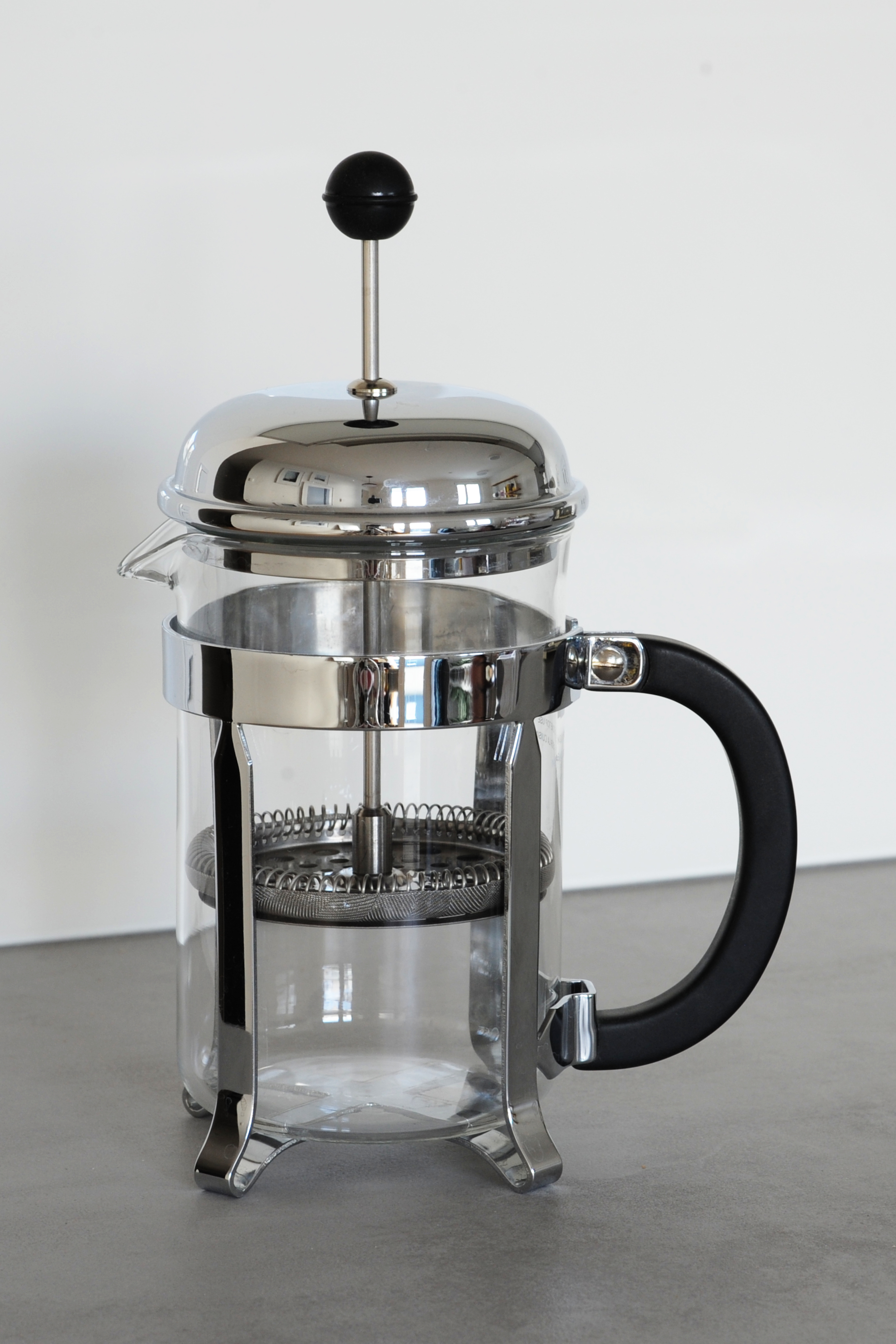
French Press (also called press pot, cafetière) is a brewing method where coffee grounds are immersed directly in hot water for several minutes, then separated by pressing a plunger with a fine mesh filter to the bottom, trapping the grounds and leaving you with brewed coffee above.
Key points:
-
It’s an immersion method: water contacts grounds for the full brew time.
-
The filter does not remove oils and fine particles as aggressively as paper filters. So you often get more body and richer texture.
-
Typical brew time around 4 minutes, grind size coarse (to avoid too many fine particles passing through the mesh).
-
Tools: a French press carafe with plunger, coarse grinder, kettle or heat source, mug.
Pros of French Press
-
Bold, full-bodied flavour. The brewing method allows more oils and fine particles, giving texture and richness.
-
Simple process: immerse, wait, press. No special pouring technique needed.
-
Doesn’t require filter papers (just you rinse out the grounds).
-
Works well when brewing multiple cups at once for a group.
Cons of French Press
-
Because fine particles and oils remain, you may end up with some sediment at the bottom of the cup or more “grit”.
-
Cleanup can be more involved (grounds need to be dumped, mesh filter cleaned).
-
If you leave brewed coffee sitting with the grounds, over-extraction can occur → bitterness.
-
Less clarity of flavour nuance — you trade some subtlety for body and strength.
Ease-of-Use Comparison: Which Is Easier?
When it comes to ease, the question often is: how much technique, equipment, effort and cleaning are required? And how likely are you to get a decent result without too much fuss?
French Press – Easier for many
-
The straightforward immersion method means you just add grounds, or grind your own from fresh french press coffee beans, add hot water, wait, plunge, pour. The “press” step is simple.
-
It requires fewer “moving parts” (no precision pour, no special kettle, less delicate filter handling).
-
If you’re making multiple cups, it can be more hands-off (once the brew has started, you mostly wait).
In fact, one article states:
“A French press has the advantage of an easier brewing process than a pour-over…”
So yes — for many, French Press is the easier path if you want good coffee with less fiddling.
Pour-Over – Requires more technique and attention
-
You need to control water temperature, pouring rate, and often monitor the “bloom” (initial pour) and the way water moves through the grounds.
-
A gooseneck kettle is ideal for controlled pours. If you use a regular kettle, your pour might be too fast or uneven.
-
The grind size, dose and water ratio matter considerably for good extraction; mistakes can yield weak or bitter cups.
-
For cleaning, you still have to rinse out the dripper and discard filter, but that’s pretty minor — yet the daily execution is more involved.
In other words: if you value ease and fewer technical steps, French Press has the edge. If you’re okay investing more effort (and maybe learning a little) for nuance and precision, pour-over is a good bet.

Which One Should You Choose Based on Your Preferences?
Here’s a quick guide:
Choose French Press if you:
-
Prefer richer, fuller-bodied coffee with more texture.
-
Want something simple to brew, without too many precise steps.
-
Are making coffee for two or more people regularly (the press scales nicely for multiple cups).
-
Don’t mind a little grit/sediment and are okay with a bit more cleanup effort.
Choose Pour-Over if you:
-
Enjoy subtle flavour notes and clarity in your coffee.
-
Are willing to spend some time and attention on the brewing process.
-
Often make one or two cups and enjoy the ritual of brewing.
-
Prefer a “cleaner” cup (less sediment, lighter body).
Another way to think of it:
-
Roast type: If you lean toward lighter roasts (blond, medium), pour-over tends to highlight the flavour profiles better.
-
If you prefer dark roasts, bolder flavour, more body — French Press is a very good fit.
Step-by-Step Basics for Each Method
Here’s a streamlined version of how to brew each method properly (giving you realistic ease and time commitment):
French Press Steps
-
Preheat your French Press carafe with hot water (helps maintain temperature).
-
Discard the pre-heat water, add coarsely ground coffee (roughly the texture of coarse sea salt) at the right ratio (e.g., ~16:1 water:coffee) or as you prefer.
-
Heat your water to around 195-205 °F (~90-96 °C). If you don’t have thermometer, bring water to boil then let sit for ~30 seconds.
-
Pour the hot water evenly over the grounds, saturating them.
-
Let it steep for ~4 minutes (you can adjust slightly).
-
Place the lid with plunger at the top (don’t plunge yet), then after the time is up, gently press the plunger down.
-
Immediately pour the coffee into mugs (to stop extraction) — don’t leave the brew sitting with grounds.
Cleaning: dump the grounds (compost if you can), rinse mesh filter and carafe.
Pour-Over Steps
-
Place the dripper on your mug or carafe; insert a filter paper and rinse the filter with hot water (preheats device + removes paper taste) and discard rinse water.
-
Add medium-fine ground coffee, weigh or measure your dose (for example 16 g coffee : 250 g water for a single cup is a starting point). Many recommend ~16:1 ratio. (Methodical Coffee)
-
Heat water to about 90-96 °C (just off boil).
-
Start by pouring a small amount of water (about twice the weight of the coffee) to saturate the grounds — this “bloom” step releases CO₂ and prevents uneven extraction. Wait ~30 seconds.
-
Continue pouring water slowly and evenly in concentric circles until you reach the total water amount. The entire brew should take around 2-4 minutes.
-
Remove the dripper, discard filter + grounds, pour the coffee into your cup and enjoy.
Cleaning: rinse the dripper, wipe the carafe, dry.
Cleaning, Time & Practicality
-
Time needed: French Press is slightly more passive during the brew (immerse, wait, press) whereas pour-over is more active (monitor pour, timing).
-
Cleanup: French Press requires dumping grounds + mesh filter cleaning (and risk more residue). Pour-over just needs filter disposal and quick rinse of dripper.
-
Equipment cost & complexity: Both are relatively low cost compared to espresso machines. Pour-over may require additional gear (gooseneck kettle, scale) for best results. French Press is more “plug-and-brew”.
-
Batch size: French Press scales easily to multiple cups; pour-over is often better for single or two-cup brewing unless you have a large dripper.
Final Verdict: Which Is Easier?
If we boil it down: French Press is generally easier for most home-brewers who want good coffee with fewer steps and less precision. The immersion method is forgiving, and you don’t need a delicate pouring technique.
Pour-over demands more attentiveness but rewards you with clarity, nuance and a lighter body of coffee — and is ideal for someone who enjoys the brewing ritual and cares about fine taste distinctions.
So:
-
If you want “make coffee, drink coffee” without fuss, go with French Press.
-
If you enjoy the process, want to highlight specific bean flavours, and don’t mind being involved, go with Pour-Over.
Quick Comparison Table
| Feature | French Press | Pour-Over |
|---|---|---|
| Technique complexity | Low to moderate | Moderate (higher than press) |
| Time to brew | ~4 minutes immersion | ~2-4 minutes + more attention |
| Equipment needed | Carafe + plunger + coarse grinder | Dripper, filter, pour kettle, scale |
| Clean up | Moderate (mesh + grounds) | Easy (discard filter, rinse dripper) |
| Flavour profile | Rich, full-bodied, textured | Clean, lighter body, more clarity |
| Grit / sediment risk | Higher (sediment possible) | Very low (filter catches fine particles) |
| Best for roast types | Medium-dark to dark roasts | Light to medium roasts |
| Best for batch size | Multiple cups easily | Best 1-2 cups (unless large dripper) |
| Ease of doing consistently | Higher ease | Requires more technique |
Tips to Choose and Use Better
-
Grind beans fresh: staling reduces flavour regardless of method.
-
Use filtered water if possible — water quality impacts final taste.
-
Match your grind size to method: coarse for French Press, finer for pour-over. Improper grind = under- or over-extraction.
-
Measure your coffee/water ratio. For both methods, ~16:1 ratio (water:coffee by weight) is a good starting point.
-
Control temperature: about 90-96°C (195-205°F) is ideal. Boiling water right away may scorch grounds.
-
Clean gear regularly: especially for French Press, stale oils and residues can accumulate.
-
Practice: For pour-over especially, your pouring speed, circle patterns, bloom timing all influence extraction and final taste.
Conclusion
When comparing pour-over and French Press, you’re choosing between precision and clarity vs richness and ease. Neither is definitively “better” — they’re better for different preferences and situations. If your priority is ease and robust coffee, French Press wins the ease contest. If you enjoy the ritual, want to extract every flavour nuance, and don’t mind technique, pour-over is very rewarding.
So pick the method that matches your taste, your time budget, your equipment comfort and how involved you want to be. And remember: the best brew is the one you’ll actually make and enjoy, day after day.
Also read: Is Madrí REALLY Spanish Beer? The Truth About This Popular Brew pen_spark