If you’ve noticed your hairline inching higher or the mirror reflecting more scalp than you remember, you’re far from alone, but you’re not without hope. Follicular Unit Extraction (FUE) restores thinning areas by relocating your own follicles, tiny groupings of one to four hairs, from stable donor zones to where coverage is needed. When performed with precision, this approach produces natural, lasting regrowth that blends seamlessly with your existing hair.
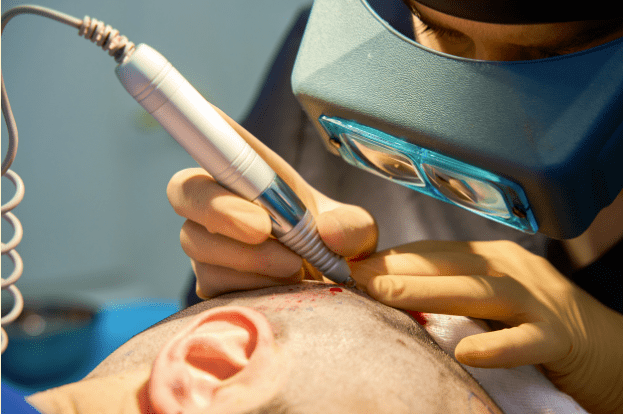
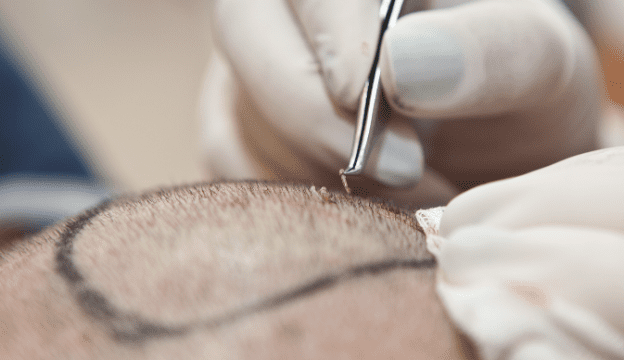
An FUE hair transplant at Canadian Hair Transplant Centre is a form of microsurgery. The process requires steady hands, magnified vision, and patience. Each follicular unit is removed through a tiny 0.6-0.7 mm punch, leaving scattered dots instead of a single line. Although these marks are usually difficult to see once healed, they are still considered scars. The goal is to achieve minimal visible scarring through advanced techniques, so be cautious about those promoting “scar-free” claims.
This procedure adheres to evidence-based standards to maximize graft survival and ensure a natural design. Each extracted graft is examined under magnification, stored in chilled HypoThermosol + ATP solution, and placed using a “first-out, first-in” approach to preserve viability. It’s a process grounded in surgical accuracy, not advertising claims.
Designing Hair Growth That’s Best For You
No two faces, or scalps, are the same. Natural-looking results depend on individualized planning rather than a one-size-fits-all approach. As outlined by experts in FUE hair transplant techniques, careful mapping of angles, direction, and density helps ensure that new growth complements facial proportions and existing hair flow.
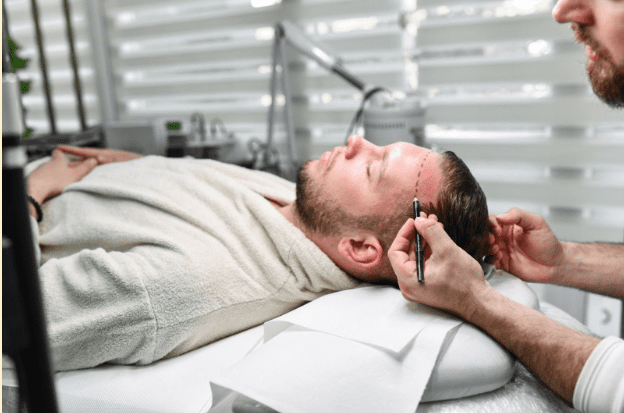
Angles and direction are vital. Hair that grows too upright can look “porcupine-like,” while overly flat placement can appear tented. Surgeons may divide larger grafts at the hairline for softness, reserving fuller groupings for areas needing density. The goal is an outcome that feels effortless and authentically yours.
What You Can Expect During the Procedure
- Preparation and Comfort: Local anesthesia is administered through nerve and ring blocks, combining Lidocaine for quick numbing and Marcaine for extended comfort. Most patients remain awake, comfortable, and conversational during the process.
- Extraction and Graft Handling: Under magnification, follicles are extracted manually using 0.6–0.7 mm punches. Each graft is inspected for root integrity and immediately preserved in a chilled HypoThermosol + ATP solution. Cooling reduces metabolic activity and helps protect each graft until it is placed.
- Site Creation and Placement: Recipient sites are created to match the direction, depth, and spacing of your natural growth. A diluted epinephrine solution helps control bleeding, while each graft is inserted by hand, minimizing handling time and optimizing survival. The ‘first-out, first-in’ system is when the first grafts extracted are the first to be placed, ensuring their viability and enhancing the overall success of the procedure.
How Long Until You See Growth?
Hair growth follows a gradual, predictable pattern:
- Weeks 2–3: Transplanted hairs shed as the roots remain intact.
- Month 3: Early sprouting appears, though unevenly.
- Month 6: About half of the final density becomes visible.
- Months 12–18: Full cosmetic results typically mature.
Note: Some swelling or temporary shedding is normal. Bleeding in the area warrants an immediate visit to the clinic.
Who Makes a Good Candidate?
Ideal candidates have a stable donor zone, a healthy scalp, and realistic expectations regarding coverage and results. Those with diffuse unpatterned alopecia (DUPA) or poor donor density may need to explore alternative approaches before proceeding.
More than hair, consultation is about setting goals, boosting confidence, and determining the right timing. Medical history, hair pattern, and long-term planning are all taken into consideration before recommending any surgery. Sometimes, the most responsible choice is to wait or pursue other treatments first.
The Science Behind Graft Survival
Hair follicles are living tissue. Once removed, they can lose energy (ATP) and oxygen. Storing grafts in chilled HypoThermosol + ATP slows metabolism, preserving cell health until transplantation. Most potential candidates focus on technique. However, this extra attention to biology helps determine whether grafts survive and thrive—a crucial factor in natural hair growth. FUE’s strength lies in its respect for these details. It’s not simply a cosmetic fix; it’s a biological process guided by science.
Key Factors That Shape Your Hair Transplant Results
- Every Patient Heals Differently
Every scalp is unique. Donor supply, hair texture, curl pattern, and colour all affect visible density. Online photos can help set expectations, but your plan should be based on your own anatomy and long-term goals.
- Growth Takes Time and Maintenance
Transplanted follicles keep their natural resistance to DHT (the hormone linked to pattern hair loss), but native hair can still thin over time. Many patients find that the best outcomes come from combining surgery with ongoing medical maintenance, such as finasteride or topical minoxidil, under the supervision of a physician.
- Natural Results Depend on Design
When grafts follow natural direction and spacing, new hair grows in harmony with existing strands. Proper placement helps achieve a result that feels balanced and authentic.
- Durable Results Begin With Your Own Follicles
Hair transplantation relies on your own donor follicles, which carry unique genetic markers. Because of this, grafts from others — even identical twins — are not compatible. FUE uses follicles from stable donor zones at the back and sides of the scalp to create lasting coverage.
Protecting Your Results and Making Informed Choices
FUE restores follicles where they’re placed; however, it does not stop genetic or hormonal thinning elsewhere. Therefore, long-term success depends on realistic expectations, consistent aftercare, and open communication with your medical team. Before booking, it is extremely important to discuss your medications, overall health, and long-term goals with both your family physician and your hair restoration provider.
Additionally, ask to review conservative design plans and photos of healed donor areas. In fact, the most natural results often come from restraint and planning, not excess. Choosing FUE is a personal decision. When informed by evidence, transparency, and measured design, it can mark the beginning of seeing yourself confidently and naturally, again.