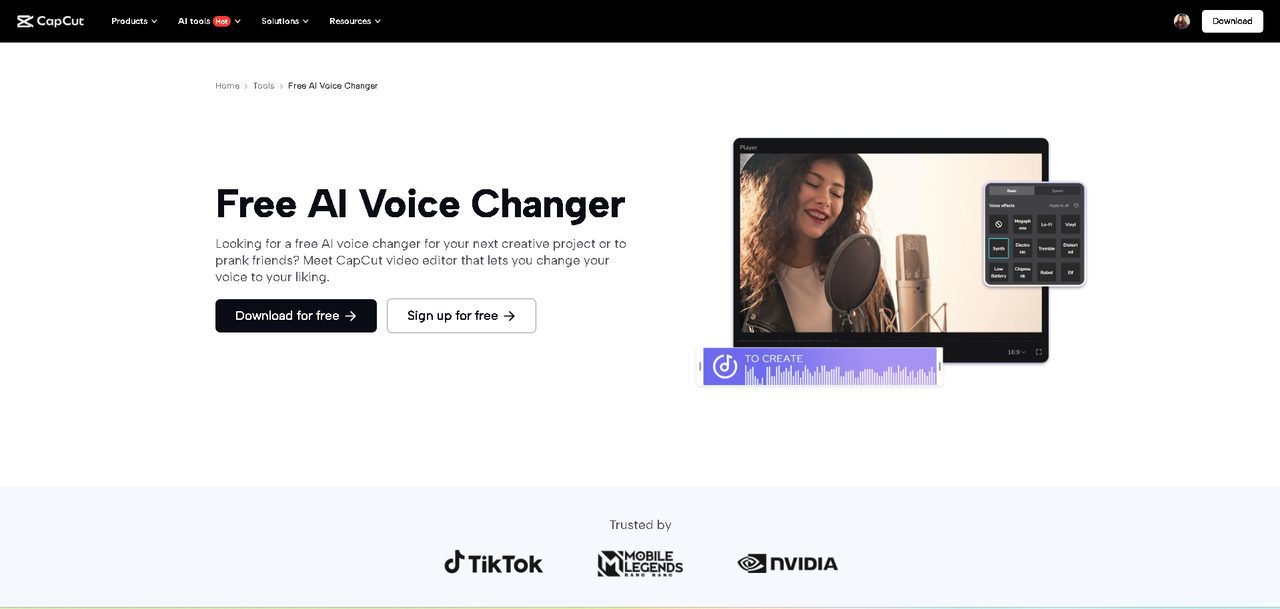
Cooking video tutorials are a tasty food and beverage trend, where viewers on YouTube, TikTok, and Instagram are enamored with step-by-step cooking instructions and spectacular shots on the food they are preparing. The videos create interest and the desire to eat by presenting ingredients, methods, and results and motivate domestic cooks and food lovers. The desktop editor offered by CapCut is easy to use, professional, and allows food creators to design delicious demos without spending extensive editing time.
One of the strongest points in flavorful content is the voice changer, where creators can apply warm and inviting tones to narratives, or fun effects to turn instructions into an exciting experience. It features an in-built audio personalization tool that produces a refined voiceover without installing additional software.
CapCut desktop enables content creators to build quality recipe demos at scale, whether it be stitching footage, using professional effects, so they can succeed in the competitive food and beverage industry.
Why Recipe Demonstration Videos Matter in Food and Beverage
Engaging Audiences with Appetizing Narration
Recipe demos involve visual appeal and instructions which make the videos very interesting to the audience. With the voice changer of CapCut, users can add sounds like a low-pitched voice to bakery tutorials, or high-intensity sounds to quick-food tutorials, which is more relatable and encourages the audience to cook themselves.
Supporting Trend-Driven Content Creation
Food trends, viral food hacks, and seasonal food change rapidly. The CapCut is easy to use, allowing for making the latest edits and audio changes in the shortest possible time period; therefore, it is possible to create the demos in time to meet the trending challenge or diet feature without losing the audience.
Leveraging AI for Recipe Demonstration Success
Streamlining Editing with Smart Features
Professional editing will be available to food creators through the AI-driven tools of CapCut. Video editing software offers precise control of time and multiple tracks, and it is simple to assemble the cooking shots, transitioning, and audio to make smooth, delicious videos.
Tailoring Content for Diverse Culinary Audiences
CapCut is used by beginner cookers and gourmet fans alike to tailor demos to different audiences using AI technology. It will make videos a good listening experience because a video can be either explaining processes to new viewers or talking about technicalities that will be more interesting to sites.
How to make recipe video tutorials in CapCut Desktop
It is easy and efficient to create alluring recipe demonstration videos using the CapCut desktop. These are the steps to write content that will be tantalizing and educational. All steps contain comments about the simulated screenshots to draw attention to important interface details.
Step 1: Set Up Your Project
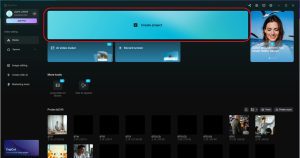
Get CapCut Desktop Video Editor downloaded from the official site and install it. Open the software, and you should click on “Create project” to open up a workspace to do your recipe demonstration video. The graphical design is easily accessible to makers of any status.
Step 2: Import/Organize Media
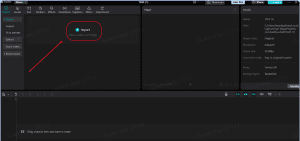
To add video clips of how you cook, pictures (e.g., ingredient lists or dishes on a plate), or background music, press “Import” on the media panel. Drag these assets to the timeline in the order that you want them to appear. The multi-tracking feature of CapCut enables the layering of images and sounds.
Step 3: Apply and Customize with the Voice Changer
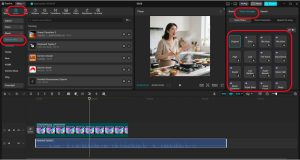
CapCut Desktop has an included Voice Changer to add some more interest to your recipe video narration. After either importing or recording your audio, you can drag the audio to an audio track on the timeline. At the top of the interface, press “Audio” in the left menu, press “Sound effects”, then select any sound in the trending list.
Next, you have the opportunity to select an audio clip and view its settings on the right-hand panel. Then you should press the “Voice changer”. The voice changer tab has different presets such as Echo, Mic Echo, High, Low, Full Voice, Bass Boost, and Music Enhancer, among others. Click one of these to listen to the sound of your narration.
Step 4: Export Your Video
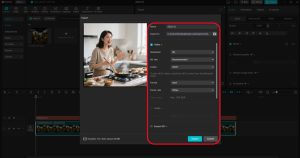
Once you are done editing, you will see the option of “Export” in the upper right-hand corner, where you can choose the resolution you want, the type of format, and the place you want to save the image. CapCut can optimize video to be shown on Instagram and YouTube, so that your demo video can appear delicious on both mobile and desktop.
Enhancing Videos with Visual Tools
Refined images are essential features when it comes to recipe demos that make your mouth water. CapCut has AI-assisted options such as color balancing and background removal to make colorful thumbnails or ingredient close-ups. Enhance your video by editing pictures in the photo editor and bringing them to CapCut to create a high-quality visual that attracts an audience. CapCut also has an online photo editor, which you can try for free!
The Strengths of CapCut in the Recipe Demonstration Content
CapCut desktop is particularly effective in creating food content because of its voice modulation presets, which enable creators to match audio to the mood of the recipe, whether it is comfortable or thrilling. Its unlimited tracks allow active overlay of cooking videos and music, and the integration and synchronization of photos via the cloud make teamwork projects easier. Simple effects such as transitions provide the polish, making CapCut the best tool to produce the video on how to prepare tasty recipes with a trendy theme.
Conclusion
CapCut desktop will enable food creators to create engaging recipe demonstration videos that are inspiring and fascinating to watch. This allows creators to produce professional content that will be heard in the kitchen by using its voice changer, editing intuitively, and using visual effects. Begin with CapCut now to take the food and beverage to another level with your demos.