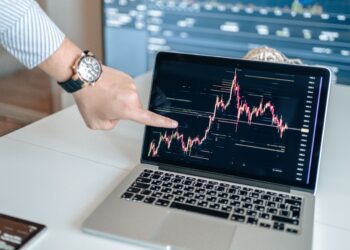
Building wealth through trading takes time. It develops with the correct attitude, regular practice, and a focused goal. Instead of relying on conjecture, successful traders know that discipline is the key to their success. By approaching the markets with a business mindset rather than a gamble, they are able to chart a course toward financial independence.
Therefore, a professional trader’s manifesto needs to focus on more than just earnings. It must also specify the framework, resources, and practices that yield long-term outcomes. When process and principle are in harmony, true wealth arises.
What Principles Shape Professional Traders?
A trader who approaches markets with seriousness applies clear principles that guide every decision. These principles reduce chaos, prevent emotional reactions, and provide stability. They also ensure that performance is anchored by discipline, not chance.
- Risk before reward: Professionals decide how much they can lose before opening a position. Protecting downside risk ensures survival through adverse conditions.
- Trade only clear setups: Quality surpasses quantity. Skilled traders wait for valid conditions instead of forcing trades that fail strict criteria.
- Protect capital relentlessly: Capital is the foundation of every opportunity. Without it, no trade exists, so professionals guard resources at all costs.
- Maintain a journal: Recording trades reveals habits, strengths, and weaknesses. A journal transforms vague impressions into lessons that improve future performance.
- Adapt to conditions: Market environments change constantly. A professional adjusts methods rather than holding onto strategies that no longer fit.
These principles do not make every trade successful. Instead, they guarantee that losses stay small, lessons continue, and growth builds over time. The result is a mindset that turns trading from guesswork into a structured discipline.
How Do Tools Transform Performance?
Mindset alone cannot create consistent success. Traders require tools that transform raw data into actionable insights. Platforms, dashboards, and analytical systems allow a professional to see the market clearly rather than rely on assumptions.
Volume and order flow analysis are critical. Price shows movement but not conviction. Volume reveals intensity of participation, while order flow exposes buying and selling pressure in real time. Together, they highlight where shifts occur before major moves unfold.
In this area, many professionals rely on ATAS, a volume and order flow tool that is at the peak of popularity right now. The platform translates complex market activity into precise insights. Its cluster charts, footprint charts, and order book depth provide visibility into institutional actions. These features reveal where large players enter or exit, giving independent traders an edge.
ATAS supports both futures, cryptos, and stocks. Its interface balances simplicity with advanced detail, which makes it accessible to learners yet powerful for seasoned professionals. By connecting order flow to actionable interpretation, ATAS strengthens decisions and builds confidence.
Essential Tools Every Trader Should Consider
Order flow is vital, but it is only one part of a professional’s toolkit. Successful traders combine resources to cover every stage of analysis and execution. Without this balance, blind spots emerge and performance suffers.
Key categories include:
- Charting software: Platforms such as TradingView or MetaTrader visualize price action and highlight patterns.
- Economic calendars: These show scheduled events, such as rate decisions, employment releases, or earnings, that can trigger volatility.
- News feeds: Real-time updates on economic or geopolitical events allow rapid responses to shifting risk.
- Risk dashboards: Exposure across positions is measured to ensure that portfolios remain diversified and balanced.
- Backtesting systems: Historical testing validates strategies before traders commit capital.
When combined with order flow, these tools create a structured trading environment. They reduce uncertainty and transform scattered data into clear action points. A professional who organizes tools effectively builds a framework that fosters consistency.

Comparison of Common Trading Tools
The following table illustrates the distinct role each tool plays:
| Tool Type | Primary Function | Benefit to Trader | Example Platforms |
| Charting | Visualize price action | Identify trends and recurring patterns | TradingView, MetaTrader |
| Economic calendar | Track events and releases | Anticipate volatility and plan trades | ForexFactory, Investing |
| News feed | Deliver market updates | React quickly to global developments | Bloomberg, Reuters |
| Risk dashboard | Monitor position exposure | Maintain balance and avoid overload | Broker dashboards |
| Order flow analysis | Show depth and trade activity | Understand institutional behavior | ATAS |
| Backtesting systems | Test ideas on past data | Validate methods before execution | Amibroker, NinjaTrader |
Professional traders rarely rely on a single tool. Instead, they assemble a toolkit that covers multiple needs, complements their strengths, and supports their style. This layered approach ensures no critical element is left unaddressed.
Establishment of a Sustainable Path to Wealth
The path to trading wealth demands patience and structure. Success comes from treating markets as a professional endeavor, not a game of chance. Traders who last for decades focus on process rather than momentary excitement.
It is not about chasing every opportunity. Instead, it is about aligning actions with a coherent plan. Professionals allocate capital carefully, reinvest wisely, and avoid risks that could erase years of effort. Wealth grows slowly but steadily when discipline governs each step.
Consistency forms the backbone of progress. Incremental improvements, refined month after month, create resilience and adaptability. These habits compound over time. As processes strengthen, traders develop confidence that no single event can disrupt. The outcome is long-term independence rather than short-term gains.
Bottom Line
A professional trader does not depend on luck. They cultivate discipline, apply principles with care, and employ tools that reveal the deeper forces behind markets. Order flow platforms, such as ATAS, along with charting systems, calendars, and risk dashboards, illustrate how modern technology expands opportunity.
When combined with patience, awareness of risk, and commitment to consistency, these practices elevate trading from speculation into structured growth. The journey is not fast, but it is reliable. In time, it transforms effort and preparation into lasting wealth.