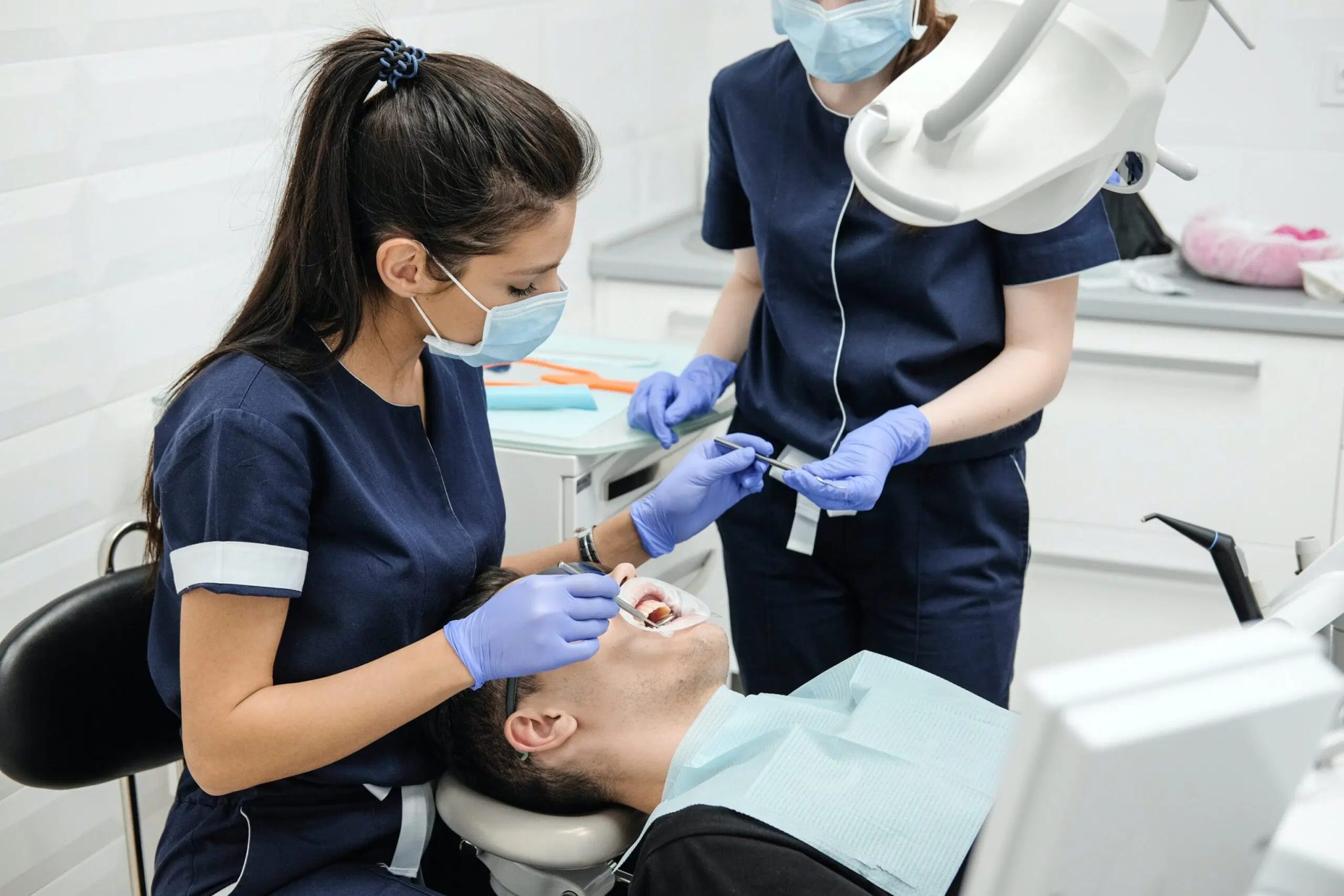
Sudden dental pain can feel overwhelming. A toothache, a broken tooth, or swelling in the gums can disrupt your entire day. Knowing how to book an emergency dentist appointment quickly helps you avoid prolonged discomfort and prevents problems from getting worse.
Why emergency dental care matters
Some dental problems need urgent attention. Seek an emergency appointment if you have any of the following.
- Severe toothache that does not settle with pain relief
- A tooth that has been knocked out or a tooth that is broken after an injury
- Swelling of the gums, jaw, or face that may indicate infection
- Bleeding that does not stop
- Lost fillings or crowns that are causing pain or sensitivity
Delaying treatment can allow the problem to worsen and may make it more complex and more costly to fix later.
How to book an emergency dentist appointment quickly
- Call your usual dentist
Most practices keep same day slots for urgent problems. If there is an after hours number, use it. Many practices share cover arrangements so you can still be seen. - Use online booking
Many practices let you choose an emergency visit through their website. Select emergency appointment or urgent care and pick the earliest suitable time. If you need a nearby provider, same-day emergency care in Atlanta, GA keeps urgent visits straightforward. - Search for emergency dentist near me
If you are away from home, a quick search will show nearby practices. Check reviews, opening times, and call to confirm availability. - Contact a dental helpline
In the UK you can call NHS 111 for urgent dental advice and help finding an available appointment, especially out of usual hours.
What to expect at the emergency visit
The dentist’s first goal is to relieve pain and stabilise the problem. Depending on your symptoms you may receive
- A full assessment with X rays if needed
- Local anaesthesia for pain control
- A temporary or definitive filling
- Treatment for infection when indicated. Antibiotics are prescribed only when clinically appropriate
- Reimplantation of a knocked out adult tooth if suitable and if brought in quickly
- Extraction of a severely damaged tooth when other options are not possible
You may be given a follow up appointment to complete treatment once the immediate issue is settled.
First aid while you wait
- Rinse gently with warm salty water to help keep the area clean
- Take over the counter pain relief as directed on the packet unless you have been told not to take it
- Apply a cold compress to the outside of the cheek in short intervals to limit swelling
- For a knocked out adult tooth
• Handle the tooth by the crown only, not the root
• If dirty, rinse briefly with milk or saline. Do not scrub
• If you can, gently place it back into the socket and bite on clean cloth
• If you cannot replant it, keep it moist in milk or in your mouth between cheek and gum
• Seek urgent dental care. The chance of saving the tooth is best within the first hour
Red flags that need urgent medical help
Call NHS 111 or seek urgent medical care immediately if any of the following occur.
- Swelling that spreads towards the eye, floor of mouth, or throat
- Fever, feeling generally unwell, or shivers
- Difficulty breathing, speaking, or swallowing
- Uncontrolled bleeding after an injury or extraction
Frequently asked questions
Can I be seen in the evening or at weekends
Many practices offer evening and weekend appointments. Online booking makes it easy to see the next available slot.
Will I need antibiotics
Not every dental infection needs antibiotics. Definitive dental treatment is the priority. Your dentist will prescribe antibiotics only when they are appropriate.
What should I bring
Bring any medicines you take, details of allergies, and any parts of a broken tooth or crown. If a tooth has been knocked out, bring it as described above.
Take action now
Do not wait if you have dental pain, swelling, or trauma. Book an emergency dentist appointment now so you can get fast relief and protect your oral health.