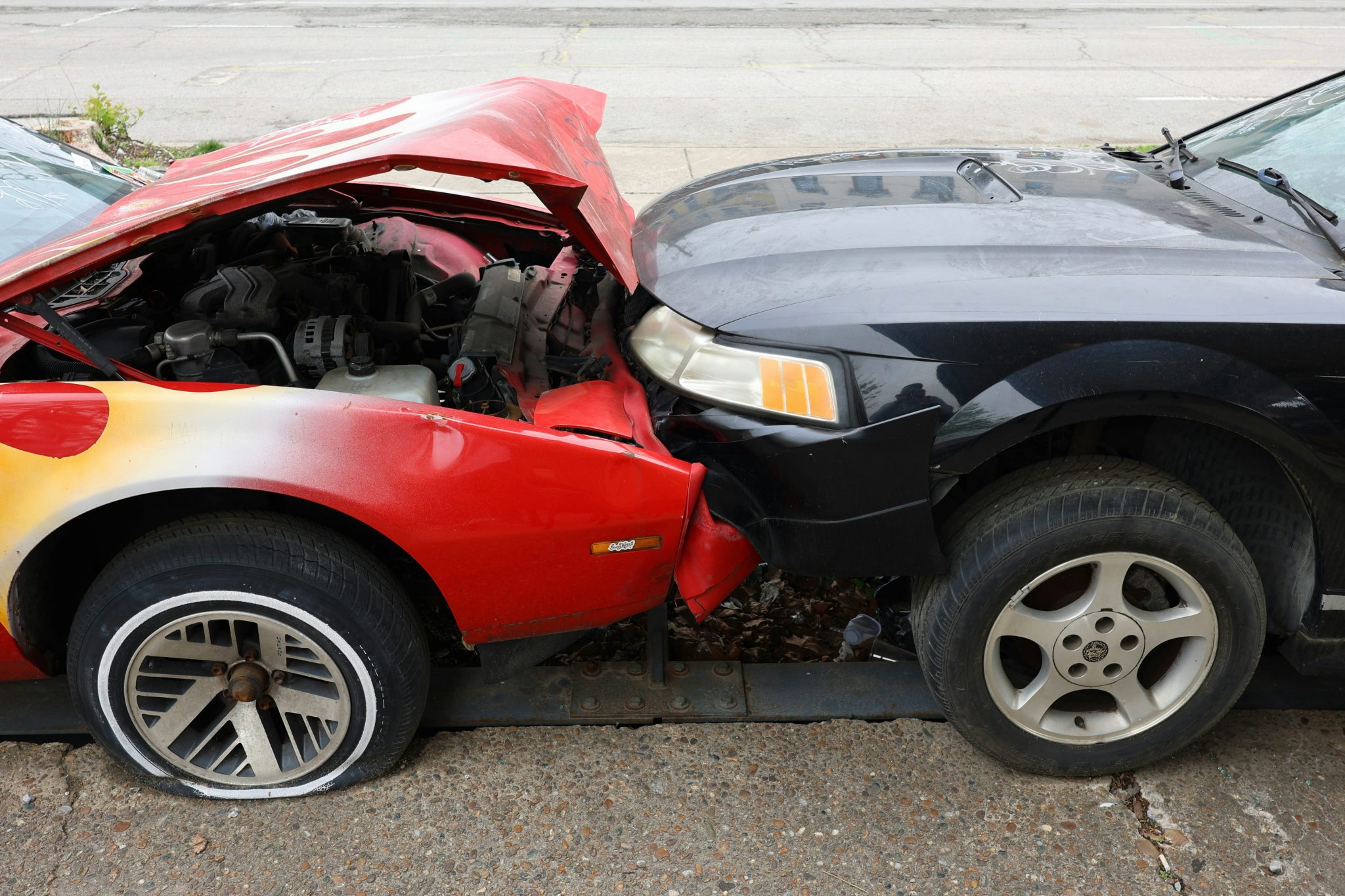
Auto insurance is a critical part of responsible driving. It offers financial protection when accidents or unexpected damage occur. Choosing the right coverage can limit costly repairs or legal expenses. Let’s explore how comprehensive, collision, and liability coverage can protect your finances.
Review Coverage Types Before Getting a Quote
Before requesting an online auto insurance quote, it helps to understand the purpose of each coverage type. Comprehensive, collision, and liability cover different situations and financial risks. Some focus on protecting your vehicle, while others handle costs related to injury or property damage. Knowing how each applies can guide you toward suitable coverage.
Premiums depend on factors such as driving history, location, and the vehicle insured. Quote tools offer quick pricing, but policy details deserve closer attention. Look into deductibles, exclusions, and claim procedures. A careful review can support better decision-making and avoid future confusion.
How Liability Coverage Protects You Financially
Liability insurance pays for damage or injuries you cause in an accident. It covers medical expenses, legal fees, and property repair for the other party. Most states require a minimum amount, but selecting higher limits can offer stronger financial support. If the damages are more than what your insurance covers, you have to pay the difference.
Liability protection is divided into two parts: physical harm and property damage. Bodily injury pays for things like hospital stays and missed wages for those people who were hurt. Property damage pays for repairs to vehicles, buildings, or public structures. An adequate protection plan can prevent personal loss in serious incidents.
What Collision Coverage Includes
Collision insurance covers damage to your car after hitting another vehicle or object. It applies even when you’re responsible for the accident. This protection plan helps with repairs after striking curbs, walls, or poles. It’s useful during a variety of driving incidents.
Cars with loans or leases usually require collision coverage. If your car is owned outright, this protection remains optional but helpful. You will have to pay a deductible before your insurance company pays for your claim. Choosing the right deductible can make a difference in out-of-pocket expenses.
Why Comprehensive Coverage Adds Value
Comprehensive insurance protects your vehicle from non-crash-related damage. This includes theft, vandalism, fire, falling objects, natural disasters, and animal impact. If your windshield cracks during a storm or someone breaks into your parked car, this policy can help. It fills the gap where other coverage ends.
This type of protection is especially useful in areas with unpredictable weather or high theft rates. Like collision insurance, comprehensive claims involve a deductible. Policies vary by provider, so read carefully to see what’s included. Full protection often requires combining comprehensive coverage with collision and liability.
Situations Where Each Coverage Type Matters
Each protection plan type addresses specific situations. Here are a few key examples:
- A collision protection plan assists after a vehicle crash
- Liability protects against harm or damage to other people.
- Comprehensive support in cases of theft or natural damage
- Full protection limits unexpected repair costs
- A mix of coverages suits a variety of driving risks
Having only one or two types leaves gaps that can lead to large expenses. A minor accident might involve both vehicle repair and medical bills. Weather-related damage or vandalism won’t be covered without comprehensive protection. When you balance all three categories, you have a better safety net.
What to Consider When Setting Coverage Limits
Protection plan limits determine how much your insurance pays after an incident. Meeting just the minimum required by law may not be enough in major accidents. Review your personal assets and risk level before setting limits. Higher protection levels reduce financial exposure.
Revisiting your limits yearly is a good habit. Life events like buying a home or starting a family can change your needs. Many providers offer digital tools to adjust policies. Check that your provider allows changes without unnecessary delays or restrictions.
The Function of Deductibles and Premiums
Deductibles and premiums affect both your regular payments and your claim costs. A high deductible lowers monthly rates but means paying more when something happens. A low deductible increases monthly costs but reduces the amount needed during a claim. Each option has trade-offs.
Consider your financial situation before choosing. If you don’t have emergency funds, a lower deductible may be safer. The value of your car and your driving habits also matter. Drivers in dense traffic areas may benefit from lower deductibles and broader protection.
Start with an online auto insurance quote to explore coverage options that fit your needs. Comprehensive, collision, and liability protection plans each serve a specific role in protecting your finances. Reviewing policy details, limits, and deductible levels helps prevent unexpected costs. The right combination of protection plan supports you during accidents, theft, or weather-related damage.