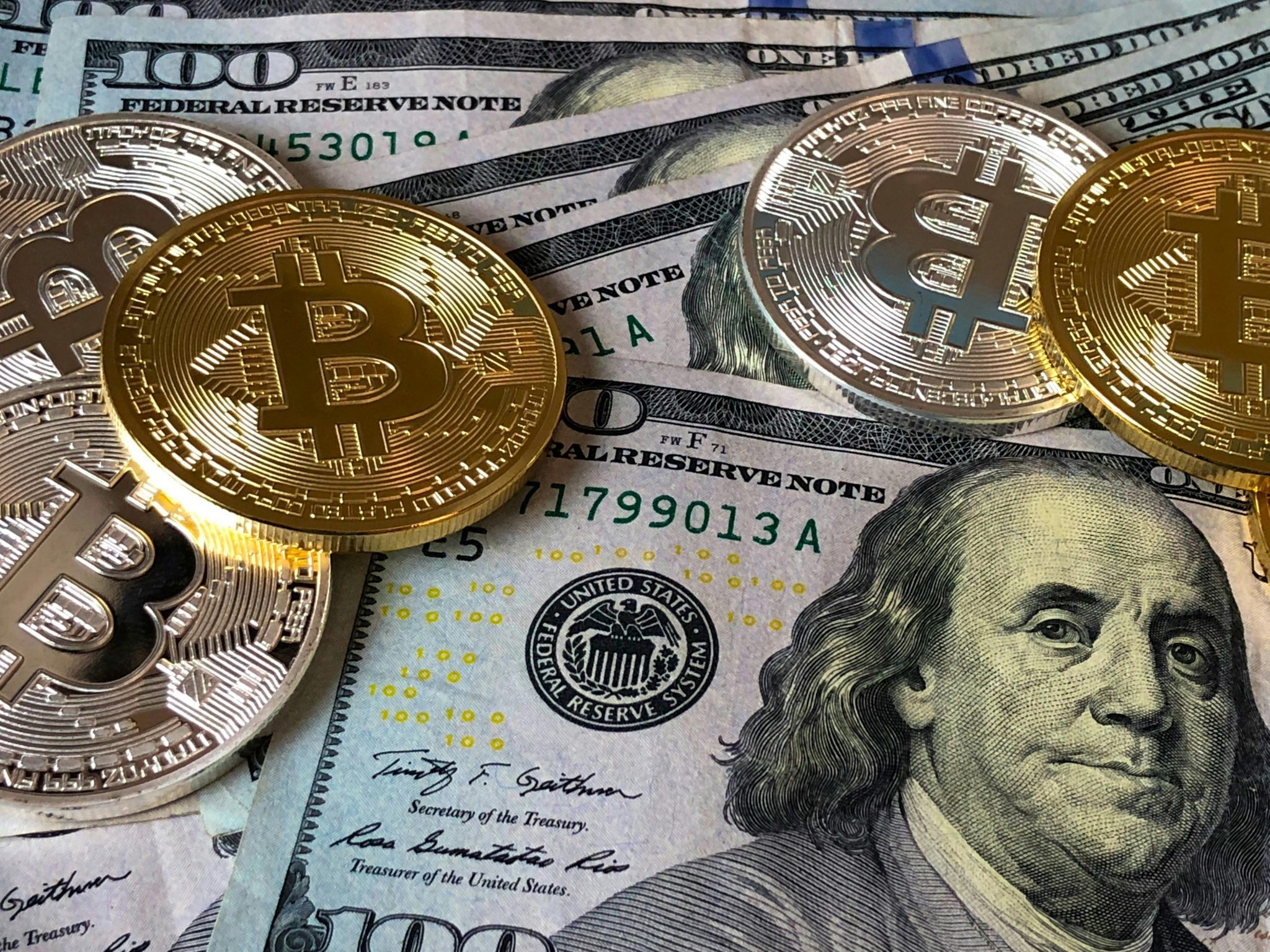
The price of Bitcoin has jumped vastly over the past few months. Yet for the average person on the street, it remains elusive and is seen only as an investment tool. But what are its uses other than to accrue value?
In 2010 Laszlo Hanyecz paid Jeremy Sturdivant 10,000 bitcoin for two pizzas. With today’s Bitcoin prices, that would amount to around $3.7 billion. The first-ever transaction made with a cryptocurrency for goods would have suggested that by the year 2025, everyone would be paying with Bitcoin for their goods. Yet the opposite is true. Seen ever more increasingly as an investment asset, Bitcoin seems to be getting further away from its original goal of being a decentralized currency for the masses. So what can it still be used for, other than investment?
Using Bitcoin for Entertainment
 When it comes to the major streaming services, such as Netflix and Spotify, you are still not able to pay with Bitcoin. However, you can get around this by purchasing gift cards, and then adding this to your account. It is long-winded but achievable. There are even vendors like Bitfill who have streamlined the process.
There are other streaming service providers that do accept it. The most well-known household name is probably the streaming service Twitch. It can be used to pay for services and give tips to creators. There are also lesser-known entertainment platforms like Grooveshark that accept it.
The online casino industry is one sector that has been at the cutting edge of Bitcoin payment innovation. Not only does it have many casinos that allow payments of cryptocurrency, but it also has whole operations built on the blockchain.
These crypto casinos have all the advantages that come with this, including anonymity, enhanced security and the ability to benefit from faster transactions. The best Bitcoin gambling sites are also miles ahead of others in terms of their game selections. This is because they are not obliged to take the same games from mainstream development companies. The crash gaming phenomenon started on crypto casinos before gravitating to mainstream platforms when it became hugely popular.
Finally, there are other games that don’t involve gambling built on blockchains which also accept cryptocurrency. You can find everything, from dungeon-crawling adventures like METAGODS to Tamagotchi-style pet simulators like Cryptokitties.
Even some major sports teams will allow you to pay in Bitcoin. The Dallas Mavericks baseball team is one, along with the soccer team San Jose Earthquake in the US and Benfica in Europe. This is mainly for ticket purchases.
Sending Money Across Borders

Sending money across borders in the traditional sense has three major drawbacks. The first is that it takes time. If you are doing bank-to-bank transfers, communication can be slow and you can expect between one to five days of processing time. Banks also move in working days, so transferring over weekends takes longer.
Secondly, it costs money. Banks will add charges depending on how much you want to spend. If you have to exchange currency with them, they tend to give the worst rates to increase their markup.
Thirdly, depending on the country you are sending money to, it may not even be possible. A state or jurisdiction may have a lack of financial infrastructure like banks, or geographical issues like war could have cut a recipient off. Traditional banking becomes ineffective in this instance.
Cryptocurrency can solve all these issues. It is instant and goes from wallet to wallet without intermediary financial institutions. While not Bitcoin, one of the major altcoins, XRP, is designed for this very purpose. Formerly Ripplepay, from the outset it has aimed to improve international transactions with cheaper and faster settlements. Launched in 2012, it has grown to have a market cap of $180 billion. Today, it has been endorsed by major institutions such as Standard Chartered and Santander.
Buying Consumer Goods with Bitcoin
Despite not being available everywhere, there are still large numbers of consumer goods you can buy with Bitcoin. A large number of airline bookers and agents accept cryptocurrency. This makes sense, as they are often taking payment in different fiat currencies with varied rates anyway. From major airlines like AirBaltic and Norwegian Air to specific crypto travel sites like Bitcoin Travel, it can get you places.
Today, there are still fast food outlets that sporadically allow payment in Bitcoin. They also depend on your location: Go to Venezuela and you can order from Pizzahut. Go to Germany and you can use it to order from Burger King.
Finally, there are companies that will let you buy everyday household items. They’re more prevalent than you think. Once again, they are geo-specific. You can find Alza, a popular Eastern European chain that accepts it, as well as the online shopping site Etsy. Major Japanese retailer Rakuten also accepts takes Bitcoin. Major online retail website provider Shopify also has integration for Bitcoin payments.
The Advantages and Challenges of Cryptocurrency Usage
Cryptocurrency has a range of benefits for consumers. Yet it is not without its drawbacks. Compounding these issues is the fact that each cryptocurrency works in a slightly different way. For example, Bitcoin is different from a stablecoin. This presents a wide range of opportunities, but also problems.
Advantages of Cryptocurrency in Everyday Commerce
The first major advantage of using cryptocurrencies is their low transaction fee. This is because it is decentralized, and cuts out the middleman. Funds go from the person with the wallet to the vendor.
Compare this to the fees charged by major credit and debit card companies. They can add between 1.5% to 3.5% for a transaction fee. On top of this come smaller micro charges, such as scheme fees, which can be around 0.2%.
Another advantage is speed. An average bank transfer can take around two hours. More complex ones, such as BACS payments can even take days. Yet payment in cryptocurrency is instant. This allows rapid access to goods and services.
Finally, cryptocurrency transactions are anonymous. People’s details are not kept on their wallets, meaning there is no trace of who has paid money. This is a great security enhancement, as no financial details are stored, thus they can’t be stolen. In 2024 alone, the FTC logged more than 1.1 million identity theft reports. Most of these thefts came from details gleaned online.
Disadvantages of Cryptocurrency in the Real World
One of the main disadvantages of cryptocurrency in the real world is its volatility. Bitcoin’s path this year is a testament to that. Starting in January, its price reached $101,731. By the end of February, it had plummeted to $80,376 and by the start of April, this was even lower. By mid-April, it had achieved its highest position ever at $111,681.
This is great for short-term investors. But the flip side is that it has limited its acceptance. It is hard for businesses to accept a currency that fluctuates in value this much. Added to the technical barriers, such as having to understand wallets and storage, it seems that it still has a long way to go before mainstream retail adoption.
Most sectors will have retailers or options that allow you to pay in cryptocurrency. However, with Bitcoin’s increased value, more people are choosing to buy and hold it or sell it for profit. This means Bitcoin payments may soon become even less frequent. Though investors and cryptocurrency enthusiasts will wax lyrical about the many benefits of Bitcoin, it could eventually be used less and less in day-to-day purchases.