Friday, November 13, 2026
  • Login
Subscribe
Impact Wealth
No Result
View All Result
  • Lifestyle
    • Health & Wellness
    • Fine Dining & Beverage
    • Fashion
    • Event Coverage
    • The Arts
    • Resources
  • Travel
  • Investing
    • Retirement
    • Real Estate
    • Philanthropy
    • Wealth
    • Business
  • Family Office News
  • Impact Interviews
  • Subscribe Now
  • About Us
    • Press
  • Join Our Community
  • Sign up for Newsletter
No Result
View All Result
Impact Wealth
No Result
View All Result
Home Finance

How Would You Reconcile Your Bank Account to Avoid Overspending? A Wealth-Smart Guide

by Kaleem Khan
June 21, 2025
in Finance
how would you reconcile your bank account to avoid spending more than you have?

how would you reconcile your bank account to avoid spending more than you have?

In the world of wealth-building, discipline isn’t just about big investments—it starts with the basics. One of the simplest yet most powerful habits is bank account reconciliation. Whether you’re a high-net-worth individual or a young professional managing your first salary, learning how to reconcile your bank account regularly can be the key to financial control and conscious spending.

Let’s dive into how you can do it, why it matters, and how it fits into your journey to financial freedom.

What Does Reconciling a Bank Account Mean?

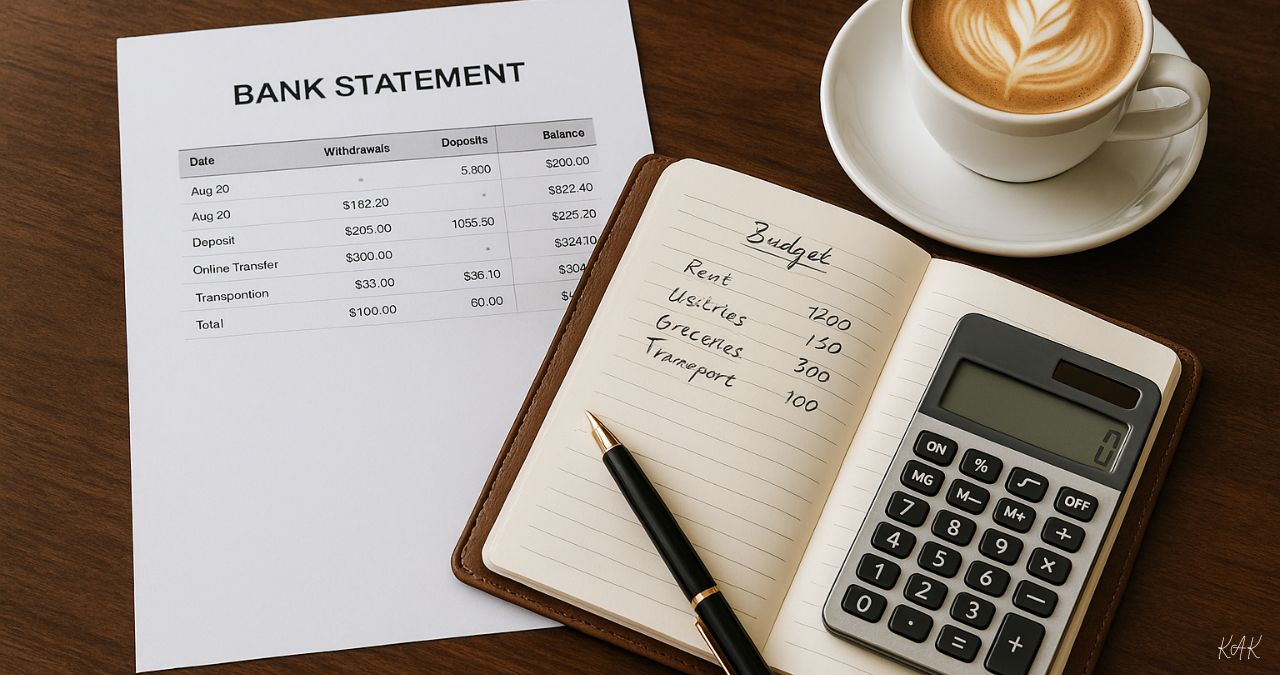
Bank reconciliation is the process of matching your personal financial records, like receipts, spreadsheets, or budgeting apps, with the transactions listed in your bank statement. It helps ensure that:

  • All income and expenses are accurately recorded

  • No unauthorized or duplicate charges have occurred

  • You’re not spending more money than you actually have

Infographic showing four steps to reconcile a bank account and avoid overspending: compare records, calculate balance, track spending, and adjust budget.
A simple 4-step guide to reconciling your bank account and avoiding overspending—compare, calculate, track, and adjust for smarter money habits.

Why Reconciling Helps You Avoid Overspending

Overspending often doesn’t feel like a problem until your card declines or your savings vanish. Reconciling acts like a financial reality check.

Here’s how reconciliation prevents overspending:

  • Catches Hidden Fees or Charges: Banks make errors too—reconciliation ensures nothing sneaks through.

  • Clarifies True Balance vs. Available Balance: Some transactions may not have posted yet.

  • Reveals Spending Patterns: You might not notice that your daily coffee totals $200/month until you track it.

  • Helps Forecast Cash Flow: Know exactly what’s coming in and what’s going out.

Step-by-Step: How to Reconcile Your Bank Account

1. Gather Your Records

  • Bank statement (print or PDF)

  • Receipts, invoices, and checkbook register

  • Budgeting tool (Excel, Mint, YNAB, etc.)

2. Match Each Transaction

Go line by line on your bank statement:

  • ✅ Check if it’s listed in your records

  • ❌ Flag anything missing or incorrect

3. Account for Outstanding Items

  • Pending checks or transfers may not yet show on the statement.

  • Subtract them from your personal balance to avoid overestimating funds.

4. Adjust for Errors

Correct any miscategorized or duplicated entries.

5. Calculate Your Adjusted Balance

If your adjusted personal balance equals the bank’s final balance—congrats, you’re reconciled.

Pro Tips to Avoid Overspending in the Process

Habit How It Helps
Set alerts for low balance Prevents accidental overdrafts
Use envelope or zero-based budgeting Gives every dollar a job
Track spending weekly—not monthly Catch issues early
Use auto-categorizing apps Save time and get instant insights

Recommended Tools for Easy Reconciliation

Tool Features
Mint Auto-syncs with bank accounts, offers budget alerts
YNAB (You Need A Budget) Based on zero-based budgeting principles
PocketGuard Shows “what’s safe to spend” in real-time
Spreadsheets (Excel/Google Sheets) Great for manual control and personalization
  • Note: Maximize financial tools with this guide to debit vs. credit usage

Real Questions People Ask

Q: How often should I reconcile my bank account?
Ideally once a week or at least once a month. High-frequency helps detect errors early.

Q: What happens if I don’t reconcile?
You might overspend, miss fraudulent charges, or think you have more money than you do.

Q: Can reconciling help improve my credit score?
Indirectly, yes. By staying on top of payments and avoiding overdrafts, you maintain better financial health.

Q: Is bank reconciliation still necessary if I use budgeting apps?
Absolutely. Apps automate, but human oversight ensures everything adds up.

Reconciliation for High-Net-Worth Individuals

While this habit is crucial for everyday earners, it’s just as critical for the wealthy. At high asset levels:

  • Multiple accounts require coordinated reconciliations

  • Investment income and dividends must be tracked for tax accuracy

  • Private banking clients can request custom reconciliation reports

Wealth without awareness is like driving a Ferrari with no dashboard. Reconciliation is your speedometer and fuel gauge.

Final Thoughts

Reconciling your bank account may seem like a mundane task—but it’s a cornerstone of personal wealth management. From preventing overdrafts to spotting spending leaks, it keeps your financial engine running smoothly.

Build it into your monthly routine, and you won’t just avoid spending more than you have—you’ll actually start spending smarter than you ever thought possible.


Further Reading

  • Smart Money Management: The Key to Building Wealth and Financial Freedom

  • Which of the Following Statements About Investing Is False? A Deep Dive Into Common Misconceptions

  • The Impact of Accurate Medical Billing on Healthcare Profits: Boost Revenue and Patient Trust

Tags: avoid overspendingbudget reconciliationimpact wealth tipsluxury financial lifestylemoney habitspersonal financereconcile bank account
Previous Post

How Blockchain Is Changing More Than Just Finance

Next Post

Credit vs. Debit Usage Awareness: What the Wealthy Know That You Should Too

Related Posts

Business

Preparing for an IPO: The Documents Every Company Should Organize Early

November 1, 2026
Future of Investing: 7 Financial Trends for 2030
Finance

Future of Investing: 7 Financial Trends for 2030

November 1, 2026
7 Industries That Could Create Tomorrow’s Millionaires
Business

7 Industries That Could Create Tomorrow’s Millionaires

November 1, 2026
Reframing Credit As A Relationship
Finance

Reframing Credit As A Relationship

November 1, 2026
How to Choose the Right Account Type When Banking Online
Finance

How to Choose the Right Account Type When Banking Online

October 15, 2026
Looking Beyond IG: How PU Prime, Pepperstone and eToro Compare for International Traders
Finance

Looking Beyond IG: How PU Prime, Pepperstone and eToro Compare for International Traders

November 5, 2026
Next Post
Credit vs. Debit Usage Awareness

Credit vs. Debit Usage Awareness: What the Wealthy Know That You Should Too

No Result
View All Result

Latest Stories

Dubai financial district skyline viewed from Dubai Mall.

Blackstone Opens Dubai Wealth Hub as DIFC Passes 600 Asset Managers

Read More »
Zug’s snow-covered old town and lake at blue hour.

COFRA Names Georg Wunderlin CEO as Family Capital Expands Its Reach

Read More »
Family office succession planning

The Great Wealth Transfer Is a Talent Problem

Read More »
Lytrell Bundy: Chris Brown's Sister, Family Background And What Is Publicly Known

Lytrell Bundy: Chris Brown’s Sister, Family Background And What Is Publicly Known

Read More »
Impact Wealth Magazine

Impact Wealth is a luxury lifestyle magazine that caters to ultra-high net-worth individuals and the family office industry that features profiles on the world’s top business leaders and family offices, and investment strategies for the super rich.

Explore

  • Wealth
  • Net Worth
  • Investing
  • Family Office
  • Real Estate
  • Impact Investing
  • Philanthropy
  • Travel Lifestyle
  • Impact Leaders
  • Interviews

About Impact Wealth

  • Press
  • About Impact Wealth
  • Past Issues
  • Resources
  • Editorial Standards and Corrections

Stay Connected

Join Our Community

Sign up for our Newsletter

© 2026 ImpactWealth | Disclaimer & Privacy Policy

No Result
View All Result
  • Lifestyle
    • Health & Wellness
    • Fine Dining & Beverage
    • Fashion
    • Event Coverage
    • The Arts
    • Resources
  • Travel
  • Investing
    • Retirement
    • Real Estate
    • Philanthropy
    • Wealth
    • Business
  • Family Office News
  • Impact Interviews
  • Subscribe Now
  • About Us
    • Press
  • Join Our Community
  • Sign up for Newsletter

© 2026 ImpactWealth | Disclaimer & Privacy Policy

Welcome Back!

Login to your account below

Forgotten Password?

Retrieve your password

Please enter your username or email address to reset your password.

Log In
No Result
View All Result
  • Lifestyle
    • Health & Wellness
    • Fine Dining & Beverage
    • Fashion
    • Event Coverage
    • The Arts
    • Resources
  • Travel
  • Investing
    • Retirement
    • Real Estate
    • Philanthropy
    • Wealth
    • Business
  • Family Office News
  • Impact Interviews
  • Subscribe Now
  • About Us
    • Press
  • Join Our Community
  • Sign up for Newsletter

© 2026 ImpactWealth | Disclaimer & Privacy Policy