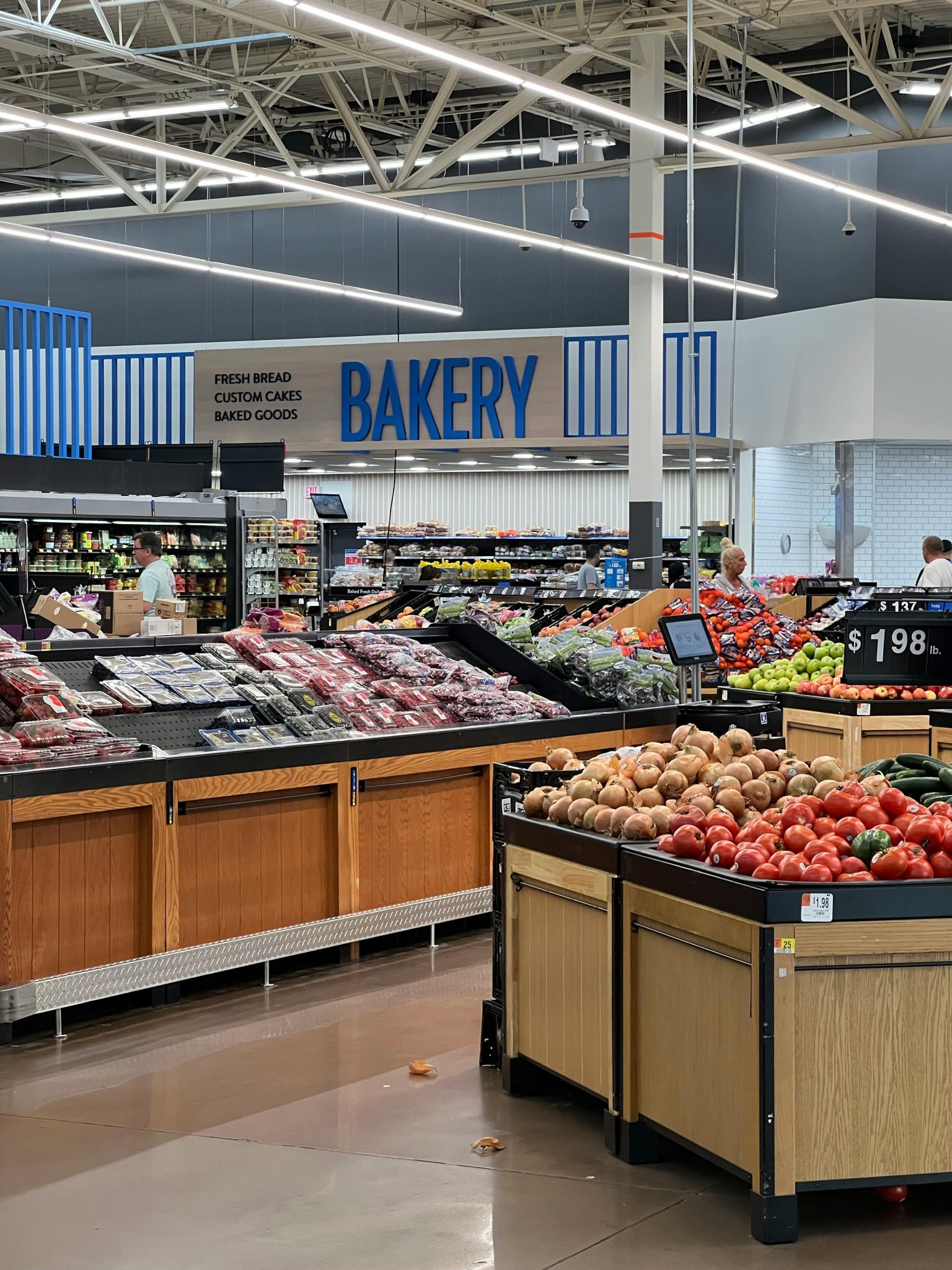
Modern grocery stores are no longer simple aisles of products; they’re data-driven environments designed to guide shoppers and maximize revenue. The supermarket layout has evolved into a precise science, blending psychology, design, and now cutting-edge technology. Research from Nielsen indicates that retailers who strategically manage their store space can achieve a sales increase of up to 10%. With fierce competition and shrinking profit margins, getting the layout right isn’t just beneficial, it’s essential. Let’s explore how technology is rewriting the rules of store design to create smarter, more profitable supermarkets.
The Role of Technology in Shaping Supermarket Spaces
Today’s retailers face high expectations: customers want efficiency, comfort, and personalization. Technology enables supermarkets to deliver on all fronts by transforming the traditional approach to layout design.
Smart Shelf Sensors and Real-Time Stock Data
Shelves equipped with sensors now feed real-time inventory data back to store systems. These sensors track product levels, monitor expiration dates, and even detect when customers pick up or return items. By collecting such detailed insights, store managers can fine-tune shelf placement and optimize product visibility. They can also automate reordering processes and reduce out-of-stock scenarios, which enhances customer satisfaction. With this data, retailers can spot underperforming spots in the store and rearrange merchandise accordingly. This reshaping enhances the supermarket layout to better match consumer behavior patterns, driving higher engagement and sales.
Heat Maps and Foot Traffic Analytics
Thermal imaging and in-store tracking software generate heat maps that show how shoppers navigate through the store. These visualizations highlight high-traffic and low-traffic areas, enabling strategic product placement. For instance, if data reveals most customers bypass the back-right corner, placing promotional items there or widening the path could change that pattern. It’s not just about flow; it’s about directing the flow intelligently. Over time, foot traffic analytics reveal evolving shopper habits, enabling continuous optimization of layouts. Retailers can also identify bottlenecks and redesign congested areas to improve traffic flow and customer comfort.
AI-Driven Planogram Optimization
Artificial intelligence can analyze sales data and suggest planograms, detailed diagrams of product placements that maximize visibility and encourage impulse purchases. AI systems ingest data from POS systems, customer feedback, and foot traffic sensors to generate optimal configurations. They can predict which product combinations lead to higher basket sizes or identify items that perform best at eye level. AI continually tests and refines these layouts, responding to seasonal shifts, promotions, and customer feedback. This dynamic system can outperform static models that rely on outdated assumptions, providing a competitive edge. The result is a dynamic layout that evolves in response to consumer preferences and market trends.
For example, LEAFIO’s merchandising software enables the creation of configurable, automatic planograms tailored to individual store formats. This ensures that each store’s layout aligns with its specific customer demographics and shopping behaviors, enhancing product visibility and sales potential.
Mobile Apps and Customer Navigation Tools
Many supermarkets now offer apps that help customers navigate the store based on their shopping lists. These apps sync with the store’s real-time layout data to provide the shortest path to all selected items. Some even offer in-store promotions based on previous purchases or current shopping behavior. As customers interact with these tools, supermarkets gain insight into common purchase patterns and preferred routes, which can then be used to refine product placement. Over time, this creates a feedback loop where customer behavior influences layout decisions, resulting in more intuitive and satisfying shopping experiences.
Demographic Mapping and Micro-Targeting
Data from loyalty programs and shopping apps enable supermarkets to understand their customers better. They can segment audiences by age, income, lifestyle, and even dietary preferences. Using this data, stores can redesign sections of the store that cater to specific demographics. A store frequented by young professionals might highlight ready-to-eat meals near the entrance, while one serving large families may put bulk items in a more prominent spot. Seniors might prefer wider aisles and clearer signage, while parents may look for easily accessible baby products. This precision enables a supermarket layout that feels naturally suited to its audience, enhancing the overall customer experience and fostering loyalty.
Seasonal and Event-Based Layout Adjustments
Tech systems now allow store layouts to change quickly in response to holidays, events, or even weather forecasts. For example, a sudden cold snap might trigger a reconfiguration of product placement to bring soups and winter gear to the front. During holidays like Thanksgiving or Easter, stores can also shift their layouts by using flexible fixtures such as a wire display rack to showcase themed products and seasonal promotions more prominently. These racks make it easy to rotate items in and out, helping stores highlight new arrivals or limited-time collections without disrupting the overall flow. Automated shelf management tools enable these changes to be made quickly and efficiently, keeping the layout relevant and profitable. The flexibility to adapt the store environment almost in real time allows supermarkets to capitalize on every marketing opportunity.
Robotics and Automated Stocking
Some stores now use robots to restock shelves based on real-time inventory levels. These robots can scan shelves, identify low-stock or misplaced items, and either alert human workers or restock themselves. This reduces human error and ensures that high-demand products are always available in the right spots. Robots can even assist in layout reconfigurations, moving displays to fit updated floor plans. Their consistent and tireless operation frees up human staff for more complex customer service tasks, improving both operational efficiency and the customer experience.
Predictive Analytics for Demand Planning
Data analytics tools accurately forecast demand, helping managers avoid overstocking or shortages. By analyzing historical sales data, market trends, and local events or weather, these tools anticipate shopper needs. This enhancement improves inventory systems and optimizes store layout, dedicating space to popular items. For example, if analytics indicate a trend for plant-based products, stores can reorganize shelves to highlight those items. Innovative planning tools align stock placement with customer demand, creating an effective and efficient supermarket layout.
Energy-Efficient Design and Layout Optimization
Technology helps reduce carbon footprints by using sensors to manage lighting and climate systems according to customer movement and time. Stores can adjust lights and temperatures in low-traffic areas to save energy without hurting the shopping experience. Layouts are designed to enhance natural light and lower cooling costs using AI to optimize fixture placement. Freezer placement can also be optimized to reduce energy leakage. By merging efficiency with sustainability, tech-driven layouts benefit the environment and profits.
Conclusion
Data, automation, and customer-centric strategies are shaping the evolution of supermarket design. When technology is applied thoughtfully, it enables retailers to create more innovative, responsive, and efficient spaces. Each digital touchpoint, from shelf sensors to mobile apps, contributes to a larger system that continually improves. The future of store layout lies not in guesswork, but in intelligent, adaptive design powered by real-time insights.