The gaming industry isn’t playing around any more. Maybe there was a time when it was something of a playground for tech enthusiasts and casual gamers. But now? It’s a bona fide financial powerhouse. Worth almost $200 billion in 2023, it’s evolving at a staggering pace. From mobile gaming apps that are redefining accessibility to blockchain’s reinvention of ownership, gaming seems to be where innovation and capital are currently colliding. For investors, the message is clear – it’s time to hit start.
Mobile Gaming Apps
Mobile gaming isn’t new, it’s been around since the first mobile release of Tetris in 1994. That’s thirty years for this market to mature – and it has. Currently, it’s exploding, with an estimated $92.6 billion in revenue in 2023. Mobile games now account for – nearly half – of the global gaming market. An impressive statistic sure, but also a call to action. Mobile gaming is the epitome of scalability. A single app can reach millions, even billions (hello Facebook and Whatsapp), of users across the globe with minimal physical infrastructure.
One area that’s growing fast is the mobile casino-sphere. Casino apps are increasingly designed to meet the growing demand for seamless, on-the-go gaming experiences. While it’s totally possible to play most games through a mobile browser, the convenience of a NJ casino app can’t be ignored. Buttons are better designed for small screens and there’s still access to all of the games from the desktop site.
This convenience, combined with optimised performance, helps to drive user engagement and retention, two critical metrics. Combine this with a bit of ad revenue and the potential for simple and effective customizability, and you’ve got a recipe for success. Looking to get involved? Investors eyeing this sector should watch industry leaders like Tencent or Sea Limited, whose footholds in mobile gaming are translating into pretty consistent growth.
 Blockchain and NFTs
 Blockchain and NFTs
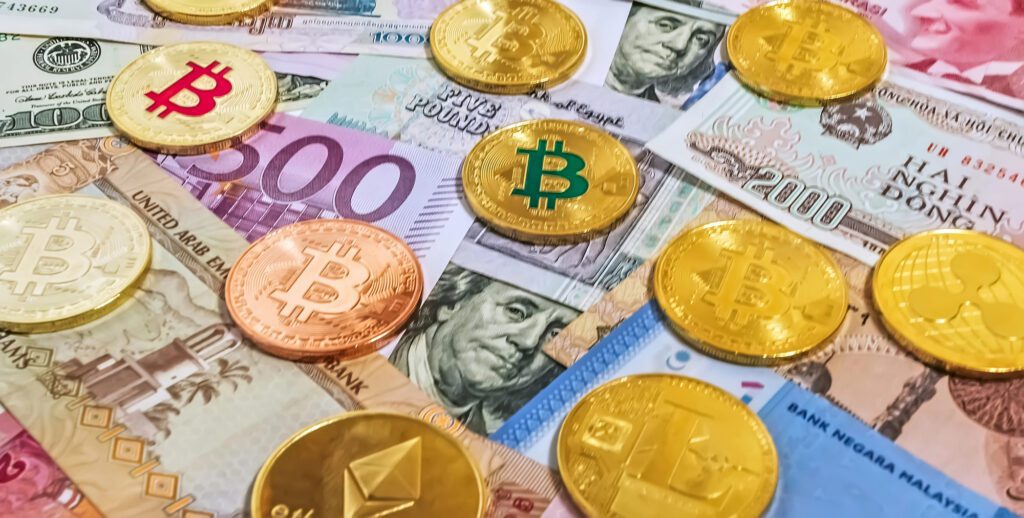
The rise of blockchain and NFTs has been one of gaming’s most radical – and lucrative – shifts as of late. While crypto investing is no longer an unusual subculture, crypto gaming? That’s a lot more niche. However, the blockchain gaming market is predicted to grow to $614.91 billion by 2030. The reason behind all of this is actually pretty simple. Gaming companies have leveraged blockchain technology to introduce real-world value into virtual spaces.
It can be a little difficult to grasp how it all works, so sometimes the best way to understand is with an example. The game Axie Infinity allows people to breed, trade, train, and battle digital assets or NFTs in the form of digital animals. Each animal is stored on the blockchain, giving it a tangibility that games previously didn’t have – you can think of it like the digital version of a Pokémon card – and we all know how much the rare ones of those sell for! The genius here lies in the player-investor hybrid model: gamers engage more deeply when their efforts translate into tangible rewards. As investors, we benefit from increased retention and higher spending per user.
However, blockchain gaming isn’t the ‘magic money tree’ — all investments come with risk. Volatility is a concern here, and not every platform will survive the industry’s growing pains. For savvy investors, this isn’t a deal-breaker, but rather an opportunity to identify early winners. Companies like Animoca Brands are leading the charge, marrying blockchain innovation with accessible gameplay.