Choosing the right caregiver is an essential step in ensuring quality support and care for yourself or a loved one. Whether you need assistance with daily living tasks, medical care, or specialized therapies like physical therapy, finding the right fit requires careful consideration. Here’s a guide to help you understand different caregiver roles, their qualifications, and how to match them to your specific needs.
Types of Caregivers and Their Roles
Personal Care Aides (PCAs)
Personal Care Aides help with non-medical tasks such as bathing, dressing, grooming, and light housekeeping. They are best suited for individuals who need assistance with daily living activities but do not require medical care. While formal degrees aren’t necessary for PCAs, training in caregiving and certifications in CPR or first aid are valuable.
Home Health Aides (HHAs)
Home Health Aides provide more advanced support, including monitoring basic health indicators like blood pressure, assisting with medications, and personal care. HHAs are an excellent choice for individuals with chronic conditions who need consistent but non-specialized medical support. HHAs often complete state-approved training programs and are detail-oriented and dependable.
Certified Nursing Assistants (CNAs)
Certified Nursing Assistants deliver hands-on medical care, such as monitoring vital signs, managing medical equipment, and assisting with wound care. CNAs are ideal for individuals who require regular medical attention but do not need the full services of a nurse. They must complete a state-approved training program and maintain an active CNA certification.
Licensed Nurses (LPNs and RNs)
Licensed Practical Nurses (LPNs) and Registered Nurses (RNs) provide medical care at higher levels, including administering medications, developing care plans, and managing chronic conditions. These caregivers are suited for patients with significant medical needs. LPNs and RNs must have formal nursing degrees and maintain state licensure.
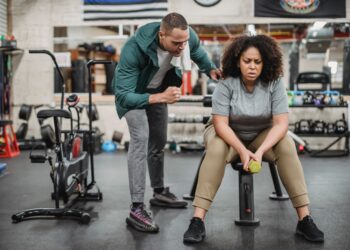
Physical Therapists
Physical therapists are specialized professionals who help patients regain mobility, manage pain, and recover from injuries or surgeries. They focus on exercises and therapies designed to improve physical function and overall well-being. To ensure high-quality care, look for a licensed physical therapist who has completed a Doctor of Physical Therapy program and has experience treating conditions relevant to your needs.
Key Considerations When Choosing a Caregiver
Qualifications and Certifications
Ensure the caregiver has the necessary qualifications for the tasks they’ll perform. For example, a PCA may only need basic training, while a physical therapist requires advanced education and state licensure. Verifying CPR and first aid certification is essential for all caregivers.
Experience and Specialization
Look for caregivers with experience relevant to your specific needs. If managing a condition like dementia or undergoing rehabilitation, seek caregivers with specialized training or certifications in those areas.
Experienced Pennsylvania professionals have learned that the top paying caregiver jobs Philadelphia provides usually require advanced certifications or extensive background in complex patient care. Securing these specialized credentials allows healthcare workers to access higher compensation tiers while delivering superior support to individuals with unique medical needs.
Personality and Communication Skills
A caregiver’s personality is just as important as their qualifications. Empathy, patience, and strong communication skills are crucial traits for fostering a trusting relationship. Consider conducting interviews or trial periods to assess compatibility.
Where to Find Qualified Caregivers
- Agencies: These organizations provide vetted caregivers and handle background checks.
- Online Platforms: Websites like Care.com connect you to caregivers with specific qualifications.
- Referrals: Ask healthcare providers, friends, or family for recommendations.
- Community Resources: Local organizations, such as senior centers, may have caregiver networks.
Conclusion
Finding the right caregiver, whether for daily support, medical care, or physical therapy, is a process that requires careful evaluation. By understanding the roles of different caregivers, reviewing qualifications, and prioritizing compatibility, you can ensure the best possible care for yourself or your loved ones. The right caregiver can significantly enhance quality of life and provide peace of mind for everyone involved.