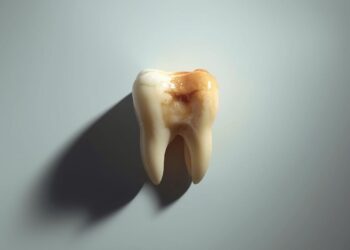
Dental care is often overlooked, but it plays a vital role in maintaining overall health and well-being. Dental emergencies can occur suddenly, causing pain and inconvenience and sometimes requiring immediate professional care. From toothaches to bleeding gums, understanding these common issues and knowing how to prevent them can save you time, money, and discomfort. Regular dental checkups and good oral hygiene are key, but being prepared for emergencies is just as important. This article explores nine common dental emergencies and offers practical tips to avoid them.
1. Toothaches
Toothaches are one of the most common dental emergencies and can result from a variety of causes, including cavities, gum infections, or even food trapped between teeth. The pain can vary from mild discomfort to excruciating aching, making it difficult to focus on daily activities. To prevent toothaches, brush your teeth twice a day, floss regularly, and use an antibacterial mouthwash. Routine dental checkups can catch potential problems early, preventing them from escalating. If you experience a toothache, rinse your mouth with warm salt water and consult a dentist promptly.
2. Chipped or Broken Teeth
Accidents, such as biting down on hard foods or experiencing trauma to the face, can lead to chipped or broken teeth. This type of damage not only affects the appearance of your smile but also leaves teeth vulnerable to further injury or infection. Seeking comprehensive dental care as soon as possible is crucial to address the damage. To prevent chipped or broken teeth, avoid chewing on hard items like ice or pencils, and wear a mouthguard during sports activities. If a tooth breaks, rinse your mouth with warm water, save any fragments if possible, and see your dentist immediately.
3. Lost Fillings or Crowns
Fillings and crowns are designed to restore the function and appearance of damaged teeth, but they can occasionally come loose or fall out. When this happens, it can leave the affected tooth exposed and vulnerable to pain or further decay. To temporarily address the issue, you can use a temporary filling material like dental cement or sugar-free gum to cover the area until you can see your dentist. Preventive measures include maintaining regular dental checkups to ensure the integrity of your fillings and crowns. Avoid chewing on hard or sticky foods that can dislodge these restorations.
4. Abscesses
A dental abscess is an infection that usually forms at the root of a tooth or in the gums. Symptoms include swelling, fever, and persistent throbbing pain that can spread to the jaw or neck. Abscesses are serious and require immediate dental care, as the infection can spread to other parts of the body. To prevent abscesses, practice good oral hygiene by brushing and flossing daily and addressing cavities or gum disease early. Regular dental visits can help detect and treat minor issues before they develop into more serious infections.
5. Broken Orthodontic Appliances
For individuals with braces or other orthodontic appliances, broken wires, brackets, or retainers are common dental emergencies. These issues can cause discomfort and mouth irritation and interfere with the progress of treatment. Wires may poke the inside of the cheeks or gums, leading to sores or bleeding. To prevent damage to orthodontic appliances, avoid eating sticky, chewy, or hard foods that can loosen brackets or wires. If a wire or bracket breaks, use orthodontic wax to cover sharp edges and reduce irritation until you can see your orthodontist. Regular checkups ensure that appliances remain in good condition and aligned with your treatment plan.
6. Bleeding Gums
Bleeding gums may not seem like an emergency at first, but persistent bleeding can indicate gum disease, injury, or other underlying issues. If left untreated, gum disease (gingivitis or periodontitis) can lead to tooth loss and more serious health problems. Prevention begins with proper oral hygiene—brushing twice a day with a soft-bristled toothbrush, flossing gently, and rinsing with an antiseptic mouthwash. If your gums bleed frequently, schedule a dental appointment to identify the cause and begin appropriate treatment. Early intervention prevents minor gum issues from escalating into more severe conditions.
7. Tooth Sensitivity
Tooth sensitivity is a result of the protective enamel wearing down or gums receding, exposing the underlying dentin. It can cause discomfort when eating or drinking hot, cold, sweet, or acidic foods. While sensitivity may not always seem like an emergency, it can indicate larger issues, such as tooth decay, cracks, or gum disease. To prevent sensitivity, avoid brushing too aggressively, which can wear down enamel. Use toothpaste made for sensitive teeth, and limit acidic foods and drinks. If sensitivity persists, consult your dentist to rule out more serious problems and discuss treatments like fluoride applications or bonding.
8. Jaw Pain or Dislocation
Jaw pain or dislocation can result from trauma, excessive chewing, or underlying conditions like temporomandibular joint (TMJ) disorders. This type of emergency can cause difficulty in speaking, chewing, or opening the mouth fully. Preventative measures include avoiding habits like chewing gum excessively, clenching your jaw, or grinding your teeth. If you experience persistent jaw pain or suspect a dislocation, apply a cold compress to reduce swelling and visit a dentist or oral surgeon immediately. Using a custom mouthguard can also help protect against grinding (bruxism) and relieve strain on the jaw.
9. Soft Tissue Injuries
Soft tissue injuries, such as cuts or punctures to the tongue, cheeks, or gums, can occur during accidents, sports activities, or even while eating. These injuries often bleed significantly, but they are usually manageable with prompt care. Rinse your mouth with a mild saltwater solution to clean the area, and apply pressure with a clean gauze or cloth to stop the bleeding. Cold compresses can reduce swelling. For prevention, eat slowly, avoid sharp foods, and wear a mouthguard during contact sports. If the bleeding doesn’t stop after 10–15 minutes, seek professional dental care immediately.
Dental emergencies can disrupt daily life, causing pain and inconvenience. Understanding the most common dental emergencies, such as toothaches, chipped teeth, lost fillings, abscesses, broken orthodontic appliances, bleeding gums, tooth sensitivity, jaw pain, and soft tissue injuries, and knowing when to seek help from emergency dentists, helps you handle these situations effectively. Prevention plays a crucial role in minimizing the risk of these emergencies. By practicing good oral hygiene, wearing protective gear, and addressing minor issues early, you can maintain your dental health and avoid unnecessary complications. Regular dental checkups are essential for catching potential problems before they become emergencies. Take care of your smile—it’s an investment in your overall well-being.