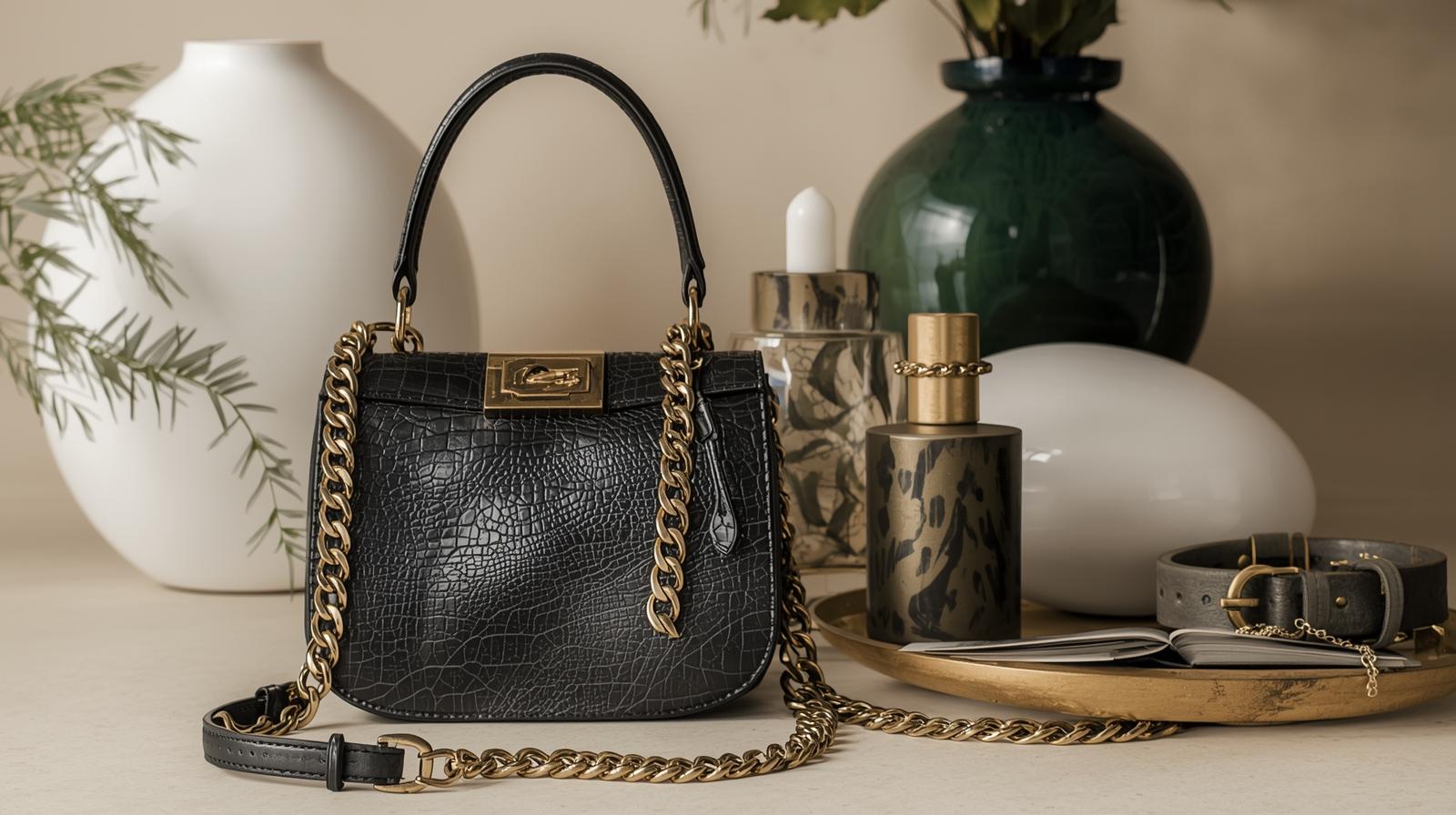
Luxury resale is no longer just about tracking down rare pieces. It has grown into a way to manage wealth, safeguard assets, and make choices that reflect personal values. More people now see resale as part of both financial planning and sustainable living, changing how we think about prestige and ownership.
In this shift, heritage brands continue to hold value, authentication builds trust, and cultural trends shape the way resale is embraced. The rising interest in authentic Hermès resale in Canada is just one example of how collectors and investors look beyond fashion itself, focusing instead on long-term value, access, and the evolving meaning of ownership. Hermès
1) Turning Luxury Into an Asset Class
Luxury goods are increasingly treated in the same way as equities, real estate, or private investments. A rare watch or a Hermès bag can hold value and even appreciate when demand remains strong. This shift is reshaping the concept of ownership.
Instead of viewing a purchase as pure consumption, we can approach it as part of a broader portfolio. Collectors and investors now track resale markets, price trends, and liquidity in the same way they monitor other assets. This mindset brings structure to what was once seen only as lifestyle spending.
We also see family offices and private investors diversifying into categories such as vintage jewelry, rare sneakers, and classic cars. These items can provide both cultural relevance and financial resilience. The key is understanding which pieces have lasting demand.
The resale market makes this possible by offering transparent pricing and global reach. Platforms and auction houses give us data that helps evaluate risk and potential return. Luxury goods are no longer just symbols of taste but can function as part of a disciplined wealth strategy.
2) Protecting Wealth in Uncertain Markets
Global markets shift constantly, from currency fluctuations to evolving consumer demand. Luxury resale offers a practical way to preserve value in assets less connected to traditional financial cycles. Strong demand for rare pieces often provides stability when other markets move unpredictably.
Placing part of wealth into collectible fashion, watches, or handbags creates a buffer against market volatility. These items often retain value because they are scarce and sought after by a global buyer base. This allows us to protect capital while keeping flexibility in how we manage our portfolios.
Luxury resale also offers liquidity that many other alternative assets cannot. Unlike real estate or private equity, we can sell a rare item quickly if we need to rebalance or raise cash. This makes it a useful tool for wealth preservation.
In uncertain times, we want to hold assets that combine cultural relevance with financial resilience. Resale markets for luxury goods provide that balance, supporting both our lifestyle interests and our long-term financial goals.
3) Sustainability Through Circular Luxury
Luxury resale is more than a market trend. It creates a circular path where high-quality goods are used, valued, and passed on rather than discarded. This approach reduces waste while keeping craftsmanship in circulation.
Extending the life of fine watches, Hermès bags, and jewelry reduces the demand for new production. This helps conserve resources and reduces the environmental footprint tied to raw materials and manufacturing.
Our families and clients often view this as a way to align wealth with responsibility. Choosing resale allows us to enjoy luxury while supporting practices that reflect long-term thinking.
Circular luxury also protects the value of assets. Items that retain demand in resale markets can strengthen portfolios and create liquidity options without compromising sustainability goals.
We find that this model blends financial prudence with environmental awareness. It gives us a way to enjoy rare pieces while contributing to a culture of mindful consumption.
4) Democratizing Access to Heritage Brands
Luxury resale is making heritage brands more accessible to a wider group of buyers. Pieces that once required long waitlists or exclusive relationships with boutiques can now be found through trusted resale platforms. This shift opens the culture of luxury to more people without the need for direct entry into brand circles.
Clients appreciate that resale offers a way to explore heritage houses like Hermès, Chanel, or Cartier at different price points. While the most coveted items remain rare, resale provides a path to own authentic pieces that carry both history and craftsmanship. This access supports a broader appreciation for the artistry behind these brands.
We also notice that resale creates a bridge between generations. Families can pass down investment pieces while younger buyers find entry points into collections that might otherwise feel out of reach. In this way, heritage brands maintain relevance while expanding their presence across new audiences.
Opening the door to more buyers allows resale to preserve exclusivity while strengthening brand visibility. Those who begin with resale often develop deeper interest in the full heritage story, which can lead to long-term loyalty and future investment in new collections.
5) Authentication as a New Standard of Trust
Authentication has become a core part of the luxury resale market. Collectors and investors seek certainty that every watch, bag, or piece of jewelry is genuine before committing capital. This demand has turned professional verification into a standard expectation.
Our confidence in resale platforms often depends on their ability to prove authenticity. Third-party experts, digital certificates, and blockchain records are increasingly used to confirm value. These tools help protect both buyers and sellers from risk.
For families managing significant collections, authentication provides more than peace of mind. It preserves asset value and ensures items can be traded or passed on without dispute. This makes authentication a practical safeguard in wealth planning.
We also see authentication shaping how brands engage with resale. Many now partner with trusted platforms to maintain control over quality. This alignment strengthens trust across the market and sets a higher bar for transparency.
6) Aligning Lifestyle With Values
There is growing interest in aligning spending with personal values. Luxury resale makes it possible to enjoy high-quality pieces while supporting a more thoughtful approach to consumption. This shift reflects a desire to connect wealth with responsibility.
Choosing resale reduces waste and extends the life of items that still hold value. This practice fits well with families who want their investments and purchases to reflect long-term thinking. It also signals that taste and sustainability can exist together.
Our lifestyle choices influence how we are perceived in both private and professional settings. Selecting resale options shows that we value quality and stewardship over excess. This perspective resonates with peers who also prioritize impact in their financial and personal decisions.
Luxury resale does not require us to compromise on style or status. It offers access to rare and timeless pieces while reinforcing a commitment to sustainability. In this way, our lifestyle aligns with the values we want to pass on to the next generation.
7) Resale as a Driver of Cultural Relevance
Luxury resale is shaping conversations well beyond fashion. When rare pieces circulate through trusted platforms, they influence how style and value are defined in global markets. This exchange keeps heritage brands visible to new generations.
Our circles value cultural relevance as much as financial return. Owning or trading a sought-after item signals awareness of what matters in art, design, and lifestyle today. These transactions show that wealth is not only about acquisition but also about participation in cultural dialogue.
Resale also reflects how we connect across borders. A bag purchased in Paris may be resold in New York or Hong Kong, creating shared touchpoints for collectors and investors. This flow of goods keeps luxury tied to current tastes and global trends.
Engaging in resale aligns individuals with a movement that blends heritage with modern relevance. It allows us to preserve legacy while staying present in the cultural moment.
Frequently Asked Questions
Luxury resale is changing how we treat high-end goods as financial assets while also linking wealth management with sustainability. It raises questions about value, trust, and long-term strategies for both investors and collectors.
How is the luxury resale market impacting traditional notions of investment in high-end goods
We now see rare watches, handbags, and jewelry treated as alternative assets. Items once viewed as personal indulgences are increasingly evaluated for appreciation potential, similar to art or real estate.
What are the environmental benefits of participating in the luxury resale economy
Extending the life of products reduces waste and lowers demand for new production. This helps conserve resources that would otherwise be used in manufacturing and distribution.
In what ways does luxury resale offer a sustainable alternative for wealth preservation
Luxury resale allows us to hold assets that retain value while aligning with responsible consumption. It provides liquidity without the need to sell into volatile public markets.
Can luxury resale be considered a form of impact investing
Yes, when we direct capital toward resale platforms, we support a circular economy that reduces environmental strain. This creates measurable impact while still preserving wealth.
How does the authenticity and condition of items affect their value in the luxury resale space
Value depends heavily on verified authenticity and well-documented condition. Buyers are willing to pay a premium when items come with certificates and trusted inspection.