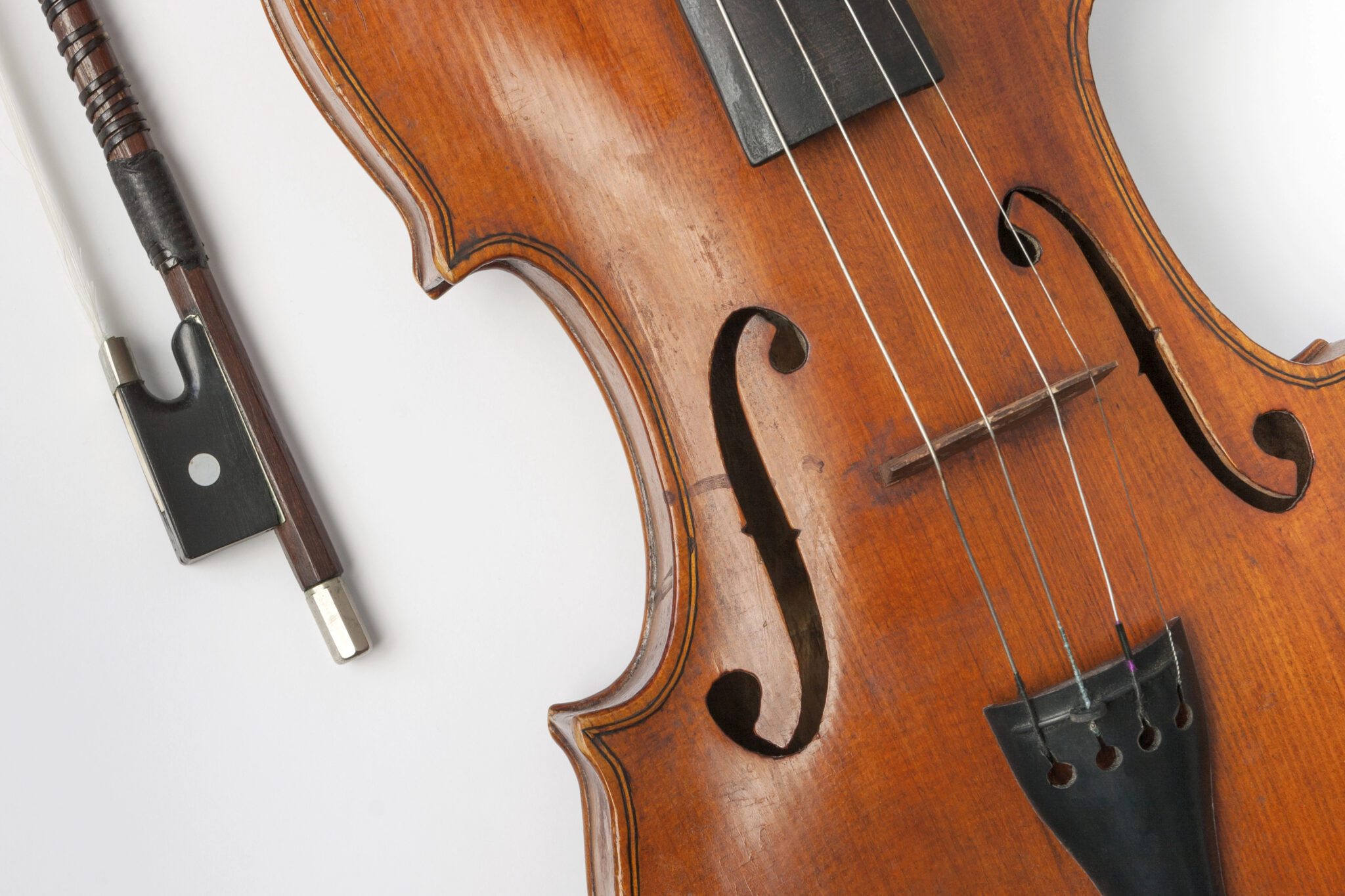
Your violin can be a wonderful instrument, but if the setup is a little off, it can feel difficult to play. Adjustments can improve the responsiveness of the strings, the clarity of your intonation, and the overall feel of the violin under your chin. Here are seven tips to help address the issues you are having with your violin.
1. String Choice and Tension Balance
Your violin can sound warm, but a lack of clarity and projection can be caused by too little tension. Tension that is too high can result in a stiff and harsh violin.
The Violin Shop Brisbane branch can help you choose the right strings for your violin based on how you play. This set will also make it easier and more controlled for your bow to grab, make shifts less likely, and get rid of that scratchy edge you get when you force the string.
2. Bridge Shape and Placement
The bridge is more than a piece of wood. It is responsible for taking the vibrations and sending them to the rest of the system. If the bridge is cut too thick, too thin, or not shaped correctly, your violin may sound unclear or uneven.
Also, look at the placement, since even a slight adjustment can alter the tone and the response. With the correct cut, you can achieve a clean attack without the need to force the bow.
3. Soundpost Position and Fit
The soundpost is inside the violin and helps with both sound and structure. If it’s too tight, loose, or off, you’ll hear an unfocused sound, weak projection, or an odd balance between low and high strings.
You can’t fix such problems at home because you need the right tools and experience to move a soundpost. A good adjustment can make your violin feel like it “wakes up”—especially in the middle register, where you play most of the time.
4. Nut Height and String Spacing
When you are in the first position, your left hand has to work harder than it should if the nut is too high. You can also make notes sound sharp by pressing down on the string too hard.
You might hear buzzing or have trouble tuning if the nut is too low or the grooves aren’t cut well. Having the right nut height and spacing makes it easier to place your fingers and keeps you from getting tired after long practice sessions.
5. Fingerboard Condition and Scoop
The scoop, or slight curve, in the fingerboard lets the strings move freely. A rough scoop or worn surface could lead to buzzing, dead spots, or responses that aren’t consistent. You might feel symptoms like roughness or drag, which will make it challenging to play fast passages.
6. Peg Fit and Tuning Stability
If some of the pegs are slipping or becoming stuck, it could make tuning your instrument difficult. When pegs fit the peg box well, it makes tuning your violin easier. Would fitting your pegs better help with tuning? Maybe it would help, but fitting the pegs might be more of a short-term solution.
7. Tailpiece, Afterlength, and Fine Tuners
The afterlength, which is the length of the string between the bridge and the tailpiece, affects a violin’s sound. If the balance is off, the sound can feel tight or scattered.
Since fine tuners add weight, too many or too large can dull the sound. To improve openness, particularly on the E string, you can use a lighter tailpiece or adjust your fine-tuner setup.
A Better Setup Makes Playing Feel Easier
Once you have your setup just right, you can stop fighting the instrument and enjoy the sound you’re making. Every part of your violin—the strings, the bridge, the soundpost, the nut, the fingerboard, the pegs, and the tailpiece—affects how it sounds.