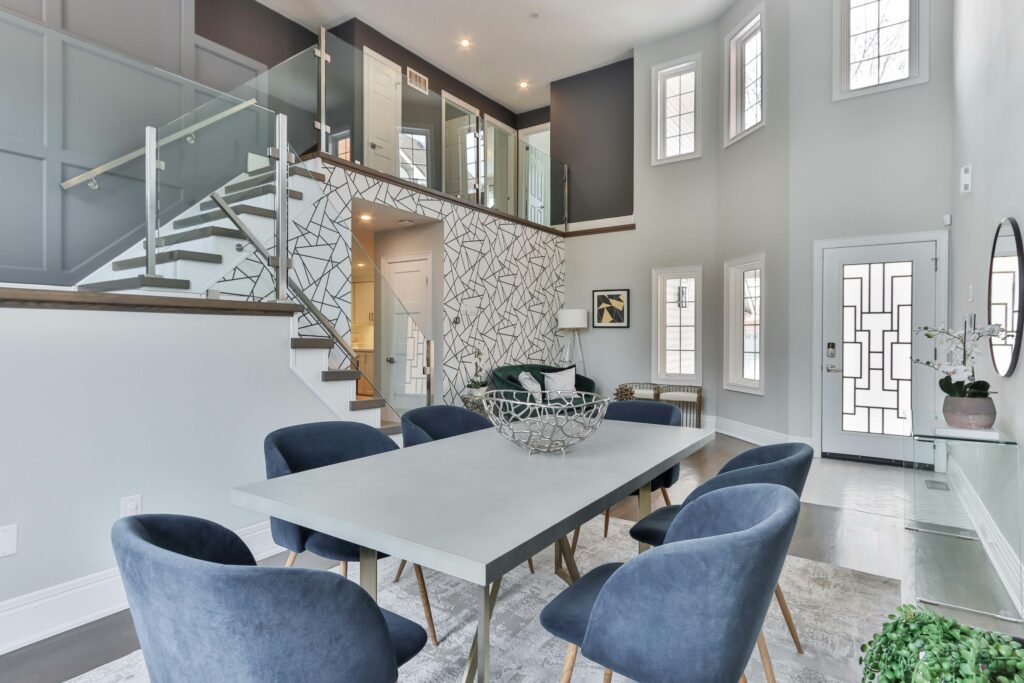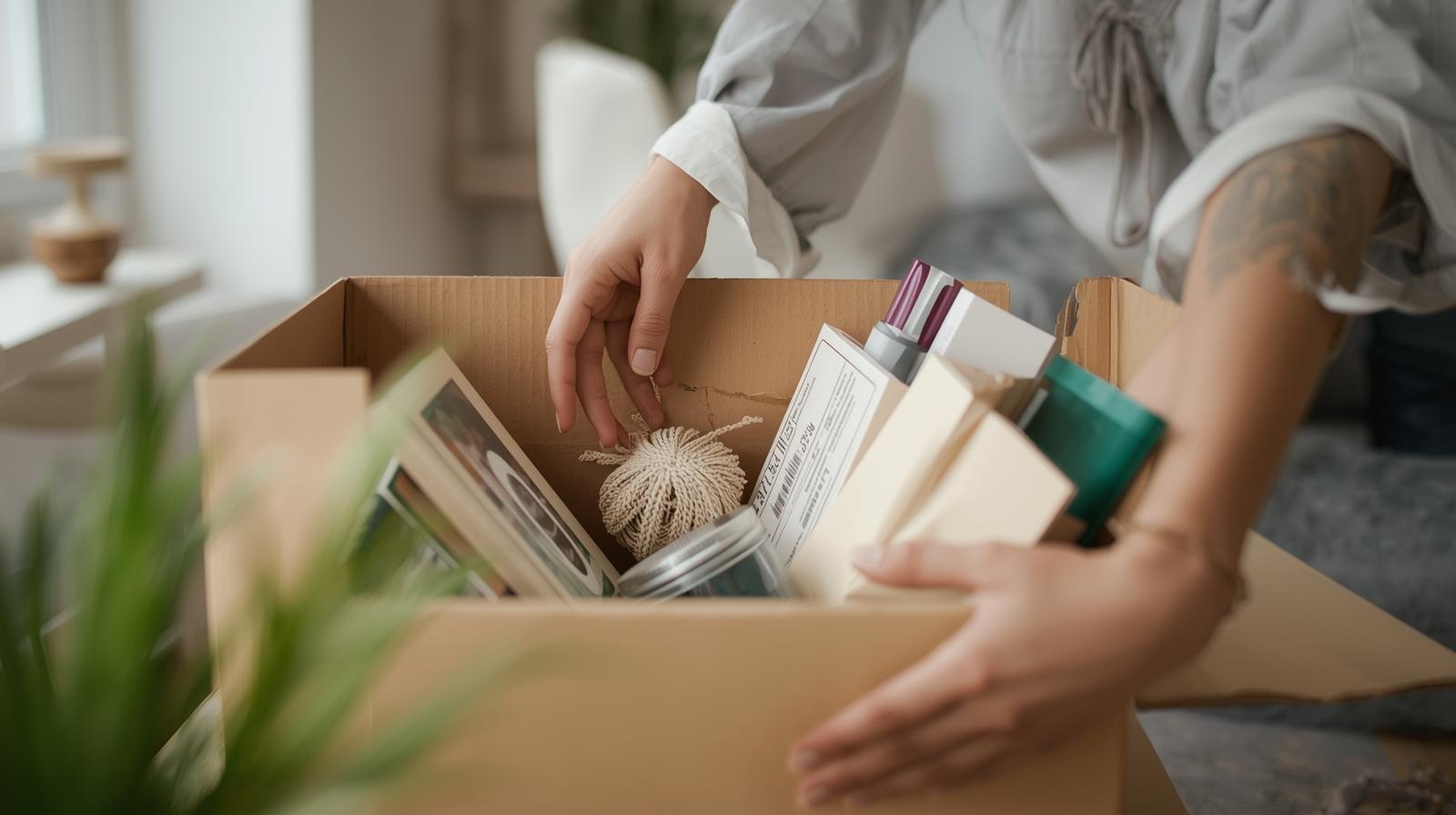
Choosing to live in a smaller space often begins as a practical decision. Maybe it’s about saving money, simplifying maintenance, or making a major life transition. However, what surprises many people is how that decision ultimately affects nearly every aspect of daily life. Downsizing your physical space can spark a quiet but powerful transformation in how you think, move, and feel in your environment.
Living smaller often means living more intentionally. It invites a new level of awareness around what you own, how you use your time, and what truly brings you ease. These shifts aren’t always immediate, but over time, they build into something lasting—something that feels a lot like freedom.
Here are seven subtle but meaningful lifestyle shifts that often begin the moment you choose a smaller space.
1. Smaller Spaces Clarify What Matters
A smaller space creates natural boundaries around what you keep, use, and value. It asks you to make choices about your belongings, your habits, and ultimately your priorities. What stays tends to be what matters, and what goes often reveals just how much you were holding onto “just in case.”
This shift isn’t only about decluttering. It’s about reshaping your environment to reflect your current season of life. Many people turn to compact, thoughtfully designed homes to support this change, especially those who want a space that simplifies decisions without sacrificing comfort. Purpose-built park model homes are designed to prioritize function, flow, and a sense of calm, making them one example of how smaller living can support more intentional choices.
Whether you’re downsizing to a smaller space or simply reevaluating what fills it, living smaller can create more space for connection, clarity, and peace of mind.
2. You Prioritize Function Over Frills
Living in a smaller space naturally shifts how you evaluate your home’s layout, furniture, and storage. Decorative extras take a backseat to what actually supports your daily routines. That doesn’t mean sacrificing beauty—it means giving every element in your home a clear purpose.
Whether it’s a cabinet that doubles as a workspace or a streamlined storage system, compact living tends to reward creative problem-solving. Over time, this way of thinking becomes second nature. You begin to favor durable materials, efficient layouts, and well-designed pieces that simplify life rather than complicate it.
As your space becomes more functional, your day-to-day rhythms often follow suit. With fewer decisions and distractions, routines start to feel smoother and more sustainable.
3. Your Routines Get a Refresh
In a smaller home, your daily routines tend to become more intentional. Everything you need is within reach, and there’s less clutter competing for your attention. Mornings can feel calmer, meals can be more mindful, and cleanup can be less overwhelming because the space supports simplicity.
With fewer rooms to manage and less visual noise, it becomes easier to build routines that feel grounding. Whether it’s prepping breakfast in a streamlined kitchen or winding down in a bedroom free from excess, your space gently shapes how you move through the day.
These routines don’t rely on rigid schedules—they’re supported by surroundings that make life feel a little lighter.
4. You Build Healthier Boundaries with Stuff and Stress
Smaller spaces make it harder to ignore the emotional weight of “just in case” items, unused furniture, or things kept out of habit. When there’s less room to fill, you’re prompted to make clearer choices—not just about what you keep, but why you hold onto it.
This shift often leads to stronger boundaries with both material clutter and mental overload. You become more selective about what enters your home and more comfortable letting go of what doesn’t serve you. That mindset extends beyond physical belongings and into how you manage your time and energy.
By creating a space that feels calm and intentional, you’re also giving yourself permission to step away from the noise and focus on what restores you.
5. You Start to See Space as Energy
The way a space feels can have just as much impact as its functionality. In smaller homes, there’s a heightened awareness of how every corner contributes to your mood and mindset. When clutter is cleared and the layout supports your lifestyle, the space itself begins to feel more aligned.
This shift goes beyond aesthetics. Research shows that clutter can increase cortisol, the stress hormone, and contribute to mental overload. Experts have linked excessive clutter to elevated cortisol levels and a heavier emotional load, suggesting that a disorganized environment may directly impact one’s sense of calmness and clarity.
By choosing a smaller space and staying intentional about what fills it, you make it easier to protect both your surroundings and your mental energy.
6. You Discover That Enough is Plenty
Living small often reveals that the feeling of “enough” isn’t about quantity. As your environment becomes more focused, you begin to realize that satisfaction comes from alignment, not abundance.
The more you practice thoughtful decision-making about what stays in your space, the more confident you become in your ability to live with less without feeling like you’re missing out. What remains begins to feel more meaningful, more functional, and more connected to your daily life.
If you’re just starting to explore this shift, these three foundational approaches to decluttering for good offer helpful ways to begin with clarity and intention.
7. You Become More Intentional With Your Time
Living in a smaller space often changes the way you spend your time. With less to clean, organize, or maintain, your schedule naturally begins to open up. The energy you once spent managing your home can be redirected toward more meaningful aspects of your day.
This shift tends to happen gradually. You may notice that you feel more present during routines, more focused during work, or more relaxed during downtime. Fewer distractions create more space for clarity, and that often leads to stronger boundaries around how you use your time.
Instead of constantly catching up, you begin to move through your days with a little more ease. And in that space, it becomes easier to choose what actually restores and supports you.
Conclusion
Choosing a smaller space may begin with square footage, but it rarely ends there. Over time, it invites a shift in how you think, live, and connect with your surroundings. From clearer routines to a deeper sense of contentment, living with less often reveals more of what truly matters.
These lifestyle changes don’t happen all at once, but they tend to unfold naturally when your environment starts working with you instead of against you. Whether you’re already living small or just beginning to simplify, the space you shape has the power to shape you in return.