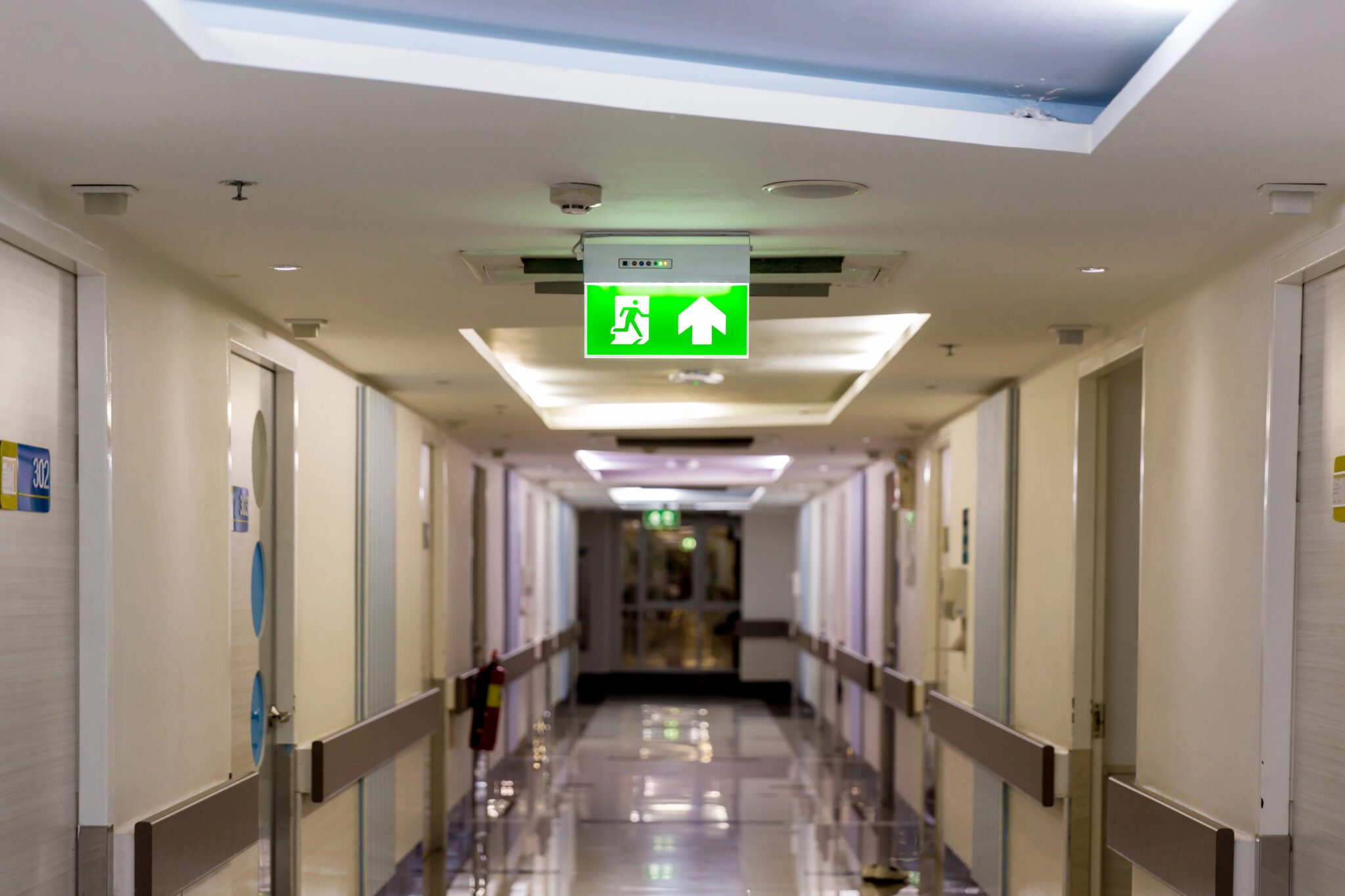
The first hurdle in the healing process can already be overcome by the selection of the health facility for the first medical procedure or extended therapy. Unfortunately, many people, including health professionals, choose the first health facility that comes up in the address bar. This blog describes things that people should consider when choosing a health facility for themselves or their loved ones.
1. Specialised Medical Expertise and Services
The first consideration for people should be the type of services the health institutions provide. For example, hospital Sydney offers emergency surgical services, while others provide emergency rehabilitation, palliative and elderly services. Being acquainted with a medical facility’s success and the number of times a specific operation has been performed offers the greatest peace of mind.
2. The Level of Personalised Nursing Care
Healthcare workers will be your primary contacts while you are in the hospital, so your comfort and confidence in their care are important. In private hospitals, they may learn your individual needs and preferences, and the more personal care can be a factor in your mental well-being. Inquiring about the experiences and culture of the nursing staff will give some indication of the level of dignity.
3. Rehabilitation and Allied Health Support
Recovery from surgery involves ongoing medical treatment, making the availability of on-site allied health services essential. Ask if the hospital has integrated services with physiotherapists, occupational therapists, dietitians, or speech pathologists who collaboratively develop your care plan. Facilities that have this type of integrated service provide specialised therapeutic services, such as hydrotherapy.
4. Quality of Facilities and Private Rooms
The physical environment in which you spend your recovery can have a profound effect on your stress levels. Consider whether the hospital offers private rooms with modern en-suites, as having your own space provides much-needed privacy and a quieter atmosphere for rest. Modern amenities like reliable internet access and a comfortable layout for visitors can make a long stay feel much less institutional.
5. Dietary Requirements and Cultural Sensitivity
If you have specific dietary needs or religious requirements, it is essential to choose a hospital that can accommodate them without any stress or fuss. Even if you do not have specific religious needs, you should check if the hospital provides high-quality, nutritious meals that are overseen by dietitians. The ability to feel respected in your cultural or personal beliefs creates a sense of safety and trust.
6. Location, Accessibility, and Parking
When you are in the hospital, the support of your family and friends is incredibly important. You should think about the travel time for your primary carers and whether the hospital is located near public transport links or major roads. Check if the hospital provides free or affordable on-site parking, as expensive city parking fees can become a significant burden for families during a long stay.
7. Discharge Planning and Ongoing Care
A good hospital should start planning for your return home from the very first day you arrive to ensure a smooth transition back to your daily life. Look for a facility that has dedicated discharge planners who will coordinate any equipment, home modifications, or community services you might need. They should work closely with your family and your local doctor to ensure that everyone is on the same page.
Planning for a Successful Recovery
Ultimately, being informed and proactive about where you receive your medical care will give you the peace of mind you need to focus on getting better. Whether you are looking for advanced surgical facilities or a warm, supportive environment for older adult rehabilitation, the right choice is out there. Furthermore, do not be afraid to ask your doctor to get a feel for the atmosphere before you commit.