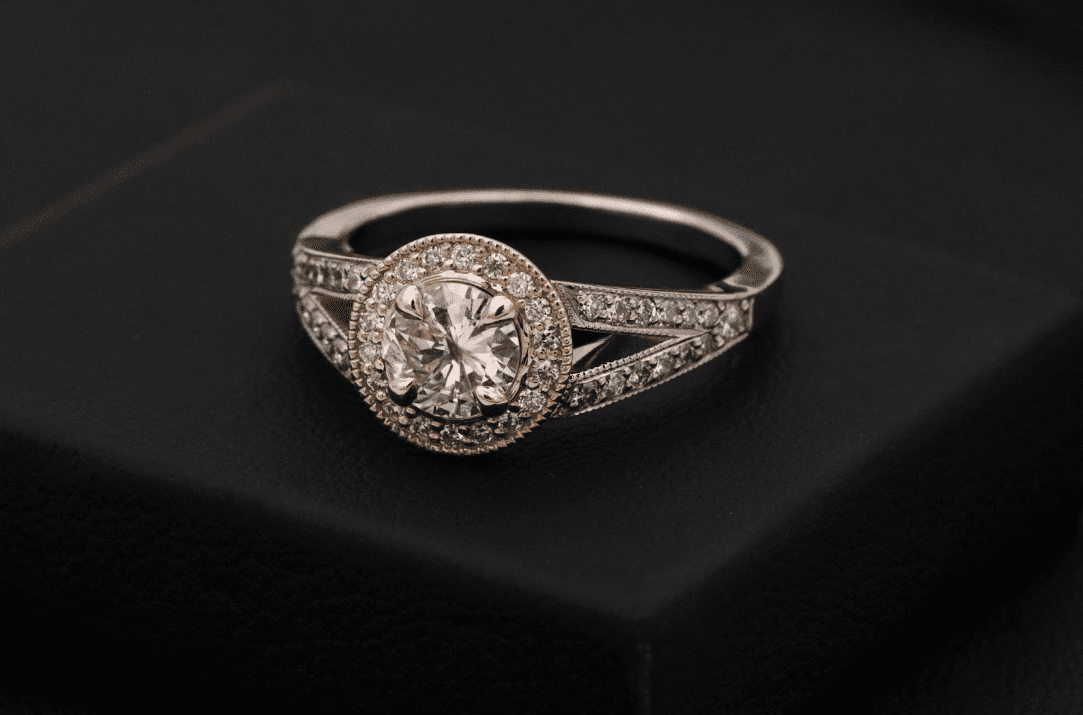
This guide ranks seven lab-grown diamond necklace designs for milestone events and formal celebrations. It is built for buyers who want ethical luxury, solid paperwork, and fewer mistakes at the counter.
Certification, build quality, and long-term care matter as much as sparkle. The right pick depends on your neckline, how much movement the event involves, and how much maintenance you will accept.
Key Takeaways
The best necklace is the one that matches your style, movement, and risk tolerance. These seven designs cover the widest range of formal looks, from quiet minimalism to full red-carpet impact.
- The tennis necklace is the highest-impact pick for galas. Start around 10 to 20 ct total weight and insist on a secure box clasp with a secondary safety.
- A four-prong solitaire pendant is the most versatile choice. It gives strong light return, but prongs need checks, and the chain must be sturdy enough for the stone.
- A bezel-set solitaire is the safest minimalist option. It trades a little sparkle for stronger edge protection and lower snag risk.
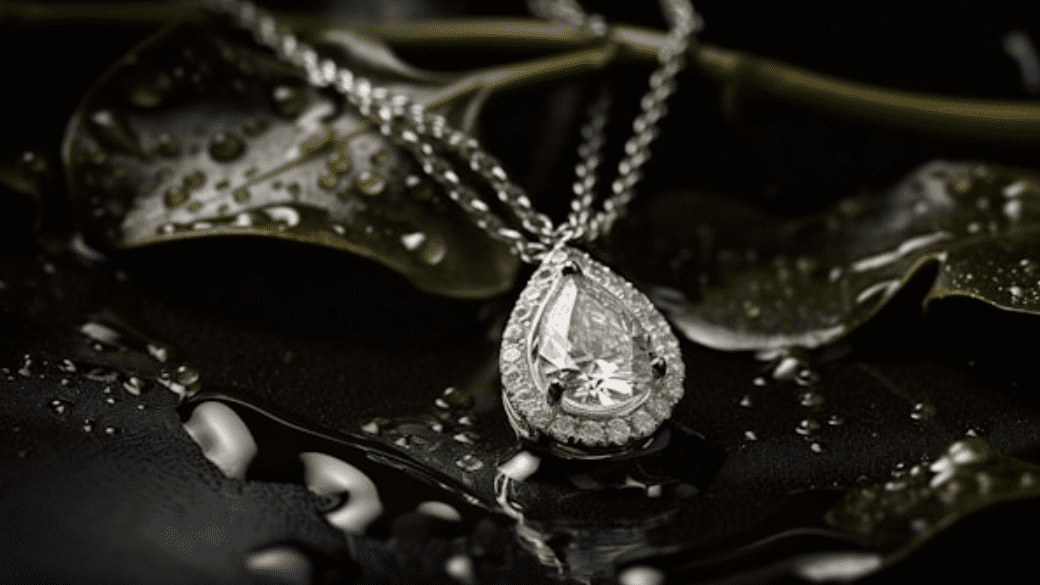
- A halo pendant creates a larger face-up look. Check that the halo stays thin, the accent stones match well, and the pavé is tight.
- A station necklace is the easiest piece to layer. Even spacing, matched color, and adjustable length matter more than headline carat weight.
- A bar pendant works best with higher necklines. Keep the bar rigid and modest in size so it does not sag or flip.
- A lariat or Y-neck flatters plunging necklines. The drop length and slider strength decide whether it stays centered through photos and dancing.
How I Evaluated These Necklaces
A strong necklace needs more than a pretty center stone. I judged each design on disclosure, grading, build quality, wear, price, and the paperwork you need after purchase.
For center stones at 0.50 ct or larger, I favored GIA or IGI reports and checked for a laser inscription, which is a tiny ID on the stone’s outer edge. I also looked for clear use of the term “laboratory-grown” and any disclosure of post-growth color treatment.
Build quality mattered just as much as the diamond itself. I checked prongs, pavé, chain thickness, solder points, clasp security, and how well each style stays centered in real wear and event photos.
Insurance and care also shaped the ranking. Specialty carriers such as Jewelers Mutual insure lab-grown diamond jewelry, so clean records and realistic upkeep matter from day one.
What Is a Lab-Grown Diamond?
Lab-grown diamonds are real diamonds, not simulants. They match mined diamonds in crystal structure, hardness, and optical performance.
Makers grow them by chemical vapor deposition, or CVD, or by high-pressure, high-temperature, or HPHT.
GIA notes that diamonds rank 10 on the Mohs scale and have a refractive index of 2.42, and lab-grown stones share those same physical and optical traits.
The FTC allows terms such as “laboratory-grown” when the disclosure is clear and not misleading. GIA and IGI both issue reports with the 4Cs, and those reports become especially important once the center stone reaches 0.50 ct.
Types of Lab-Grown Necklace Designs
The right design starts with the kind of presence you want. These three groups make the main tradeoffs easier to compare before you shop.
Statement Pieces
Statement pieces include tennis and graduated line necklaces. They bring the most visual impact, but they also need better clasps, smoother articulation, and more frequent checks.
Solitaires
Solitaire necklaces keep all attention on one stone. Four-prong settings allow more light return, while bezel settings add a full rim of metal for better protection.
Layering Pieces
Layering pieces include station, bar, and lariat styles. They add motion and versatility, but spacing, balance, and chain quality become more important than raw size.
Pick 1: Classic Four-Prong Solitaire Pendant
This is the safest all-around choice for formal events and daily wear. A four-prong pendant gives the most light return, but prongs can snag fine fabric and need periodic tightening.
It works with nearly every neckline and travels well when styling plans change late. For stones at or above 1 ct, ask for a GIA or IGI report, verify the laser inscription, and expect about $833 to $1,460 at major U.S. retailers as of March 2026.
Pick 2: Bezel-Set Solitaire Pendant
This is the most secure minimalist option on the list. A bezel wraps metal around the stone’s edge, which lowers snag risk, though it also trims a bit of visible light return.
It looks especially clean at 1 to 1.5 ct and layers well under structured necklines. To prevent flipping, pair the pendant with a chain that has enough thickness and a well-balanced bail.
If you prefer a clean, contemporary profile that stays secure through a long ceremony, dinner, and photos, choose a bezel-set pendant with a smooth rim and a chain that sits flat under a tuxedo shirt or minimalist gown.
For more modern options in this lane with minimal fuss today, browse lab grown diamond necklace for refined silhouettes that balance sparkle and restraint.
Pick 3: Halo Pendant (Micro-Pavé)
This is the best choice when you want a bigger look without paying for a much larger center stone.
A halo uses small accent diamonds around the center, while micro-pavé means those accents are set very closely together for extra sparkle.
The style shines in ballroom lighting, but it needs more upkeep than a plain solitaire. Keep the halo thin, make sure the accent stones match in color, and have the pavé checked professionally from time to time.
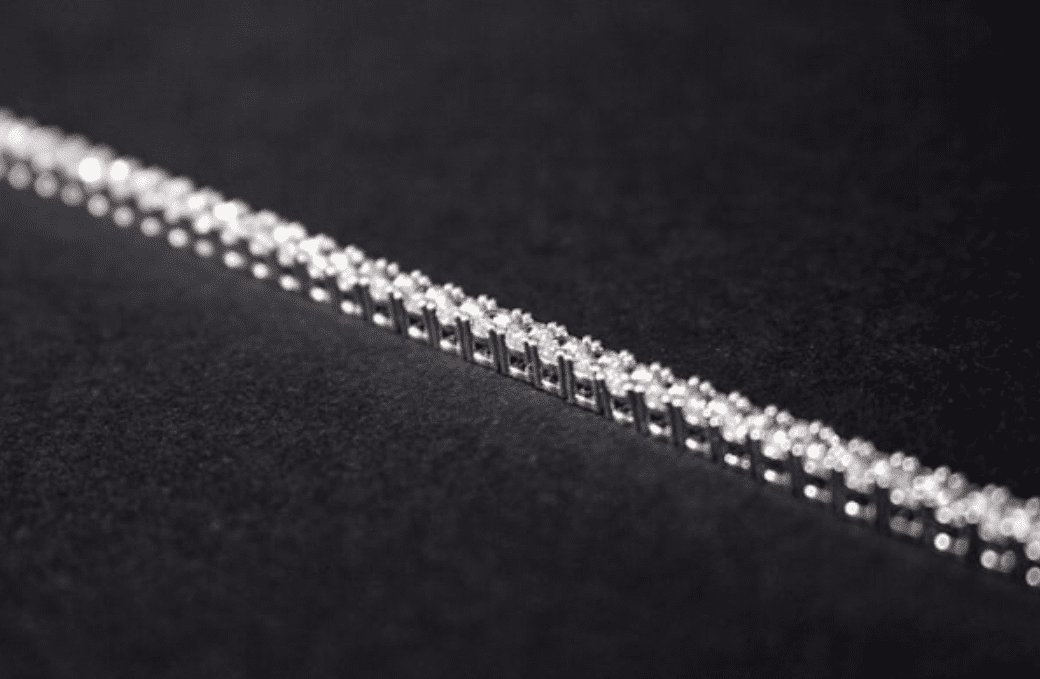
Pick 4: Tennis Necklace
This is the highest-impact pick for galas, black tie, and major anniversary nights. A tennis necklace gives a continuous line of diamonds, but it needs even link movement, a secure box clasp, and a secondary safety.
For true presence, most buyers start around 10 to 20 ct total weight and match the length to collarbone height. Major U.S. retailers listed 10 ct lab-grown tennis necklaces for around $7,000 to $10,000 or more as of March 2026.
Pick 5: Station Necklace
This is the easiest style to layer and one of the best on camera. A station necklace spreads small diamonds along the chain, so matched color and even spacing matter more than headline carat weight.
It works well as a subtle solo piece or as a second necklace beside a pendant. Choose adjustable length and, if you travel often, consider bezel-set stations for smoother wear against clothing.
Pick 6: Bar or Curved-Bar Diamond Pendant
This is the strongest match for crew, bateau, and other high necklines. A bar pendant creates a crisp horizontal line, but the bar must stay rigid and proportionate or it will sag and flip.
Pavé bars look sharp under soft lighting, yet they need routine checks because small stones can loosen with hard wear. Keep the total carat weight modest and make sure the chain connects cleanly at both ends.
Pick 7: Lariat/Y-Neck With Diamond Drop
This is the most fashion-forward choice for plunging and wrap-front gowns. A lariat or Y-neck draws the eye downward, but the drop length must be tuned so it stays centered and clear of hair or fabric.
A fixed drop or a high-friction slider helps the necklace hold its shape through photos and dancing. A bezel-set drop is the safest option when you want the point of light to stay stable at the sternum.
Certification, Disclosure, and Ethical Frameworks
Clear paperwork matters as much as the design. Use GIA or IGI reports for center stones at or above 0.50 ct, confirm the laser inscription, and keep digital copies with your receipt and appraisal.
Also, check how the seller describes the diamond. Reputable vendors disclose “laboratory-grown” clearly, and they note any post-growth treatment, including HPHT color improvement, sometimes used on CVD stones.
If provenance matters to your advisor or insurer, ask about metal sourcing and any third-party sustainability standard the seller uses.
Those records will not change how the necklace looks, but they do make ownership cleaner and easier to document.
Care, Maintenance, and Insurance
Good care protects sparkle and prevents avoidable repairs. GIA advises warm water, mild soap, and a soft brush for routine cleaning, while treated stones need extra care with ultrasonic machines.
For insurance, keep the grading report, purchase receipt, appraisal, and clear photos in one file. That small step speeds claims and makes future reappraisals much simpler.
FAQ
The last buying questions usually come down to grading, insurance, price, and resale. These short answers can save time when you compare similar pieces.
Are Lab-Grown Diamonds Real Diamonds?
Yes, they are real diamonds with the same crystal structure and physical properties as mined stones. They are graded by the same 4Cs, and their hardness and sparkle follow the same standards.
Do I Need a Grading Report for a Necklace?
For a center stone at or above 0.50 ct, the answer is yes. Verify the report number and laser inscription, while understanding that tiny accent stones in stations or tennis links are not usually graded one by one.
How Do I Insure a Lab-Grown Diamond Necklace?
Specialty jewelry carriers ensure lab-grown pieces, much like mined diamond jewelry. Submit the sales receipt, an appraisal, and any grading report so the item description is clear from the start.
What Budget Should I Expect?
As of March 2026, 1 ct lab-grown solitaire pendants sat around $833 to $1,460, while 10 ct tennis necklaces started around $7,000 and moved higher. Buy for wear, scale, and design, not for resale, because secondary-market recovery is usually limited.