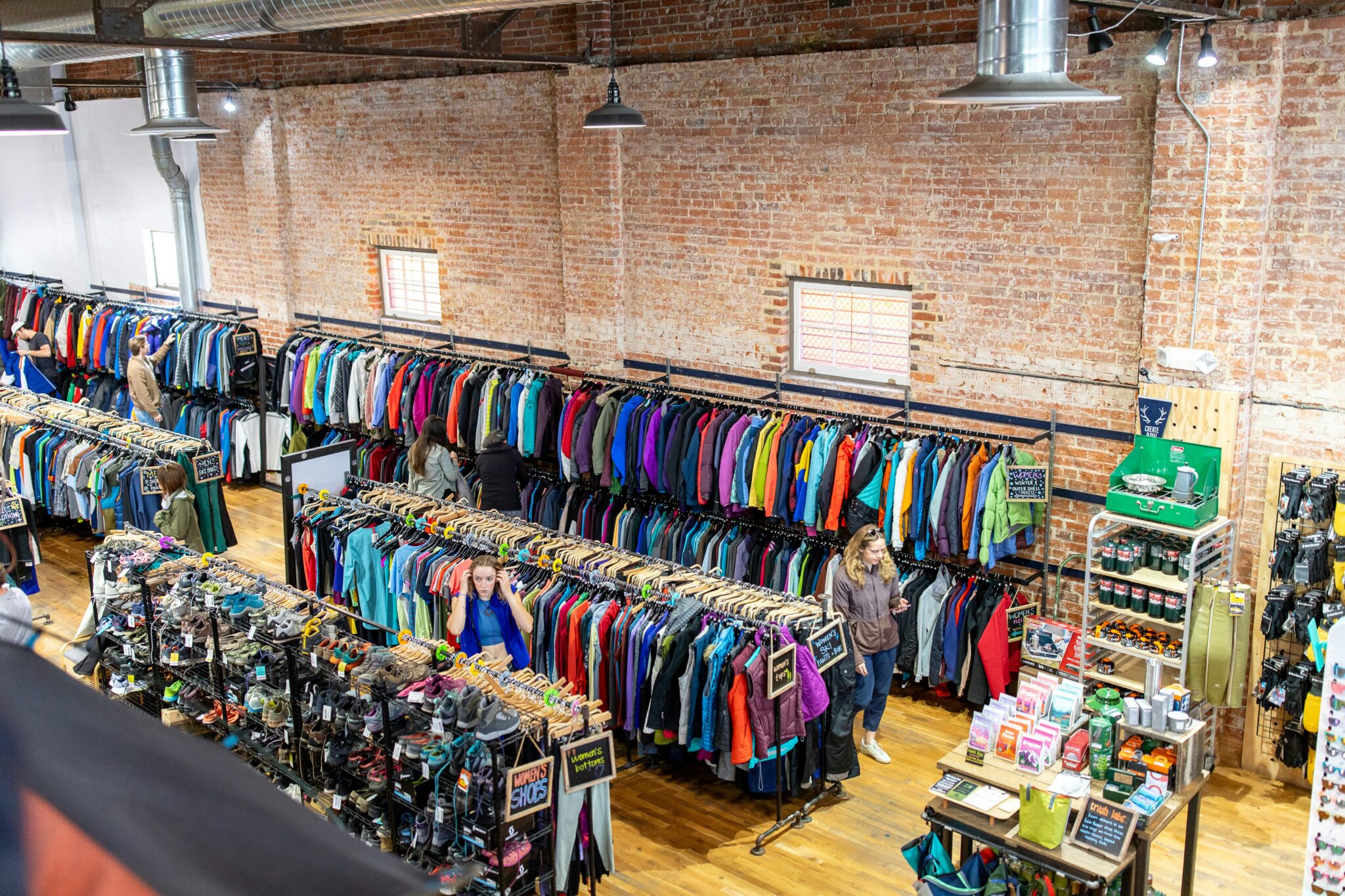
Eco-friendly clothing is becoming a major trend worldwide as consumers become more conscious of the environmental and social impact of the fashion industry. The rising awareness of textile waste, pollution, and the benefits of sustainable production practices has led to a shift toward more responsible consumption.
With global concerns over climate change and environmental degradation, eco-friendly clothing is no longer just a niche market but a growing movement that appeals to a wide range of consumers. Here are the top reasons why eco-friendly clothing is gaining popularity worldwide.
Environmental Impact and Awareness
One of the main driving forces behind the growing popularity of eco-friendly clothing is the increasing awareness of its environmental impact. European Business Review explains that the fashion industry is one of the largest polluters globally, with vast amounts of water, energy, and chemicals used in the production of garments. As consumers become more aware of these issues, they are turning toward brands that prioritize sustainability and reduce their environmental footprint.
By choosing eco-friendly fabrics such as organic cotton, hemp, or recycled materials, consumers help to reduce water waste, chemical use, and carbon emissions associated with clothing production. This shift in consumer behavior is pushing fashion brands to rethink their manufacturing processes and adopt more sustainable practices.
The Growth of Eco-Friendly Fashion Brands
A growing number of eco-friendly fashion brands are entering the market, making sustainable clothing more accessible and affordable. And MANG Gear and similar brands are such examples that focus on offering sustainable fashion choices for conscious consumers. Brands like these are proving that fashion can be both stylish and sustainable, attracting consumers who want to make a positive impact on the environment without compromising on style.
These eco-friendly brands often prioritize transparency, ensuring that consumers know exactly where their clothes come from and how they are made. As the demand for sustainable fashion grows, more brands are adopting eco-friendly practices, further driving the movement toward a more sustainable fashion industry.
Reducing Textile Waste Through Sustainable Fashion
Sustainable fashion also addresses the growing problem of textile waste. Zero-Waste Fashion highlights how the fashion industry contributes to a large portion of global waste, with millions of tons of discarded garments ending up in landfills each year. Eco-friendly clothing brands are taking steps to reduce waste through the use of upcycled materials, circular fashion, and zero-waste designs.
Instead of throwing away clothes that are no longer in fashion, many consumers are opting for items that are made from recycled or biodegradable fabrics. Brands that use repurposed materials or create clothing that can be recycled at the end of its life help to combat textile waste while offering stylish and functional options.
Conscious Consumerism and Ethical Practices
The rise of conscious consumerism has also contributed to the demand for eco-friendly clothing. Many consumers are becoming increasingly concerned with the ethical implications of their purchases, especially when it comes to labor conditions and fair wages in the fashion industry. Eco-friendly clothing often aligns with these ethical concerns, as many brands that focus on sustainability also ensure fair labor practices and ethical sourcing of materials.
For consumers who are passionate about supporting ethical businesses, eco-friendly clothing provides a way to align their values with their purchasing decisions. The transparency provided by many eco-friendly brands ensures that consumers are informed about where their clothes come from and how they were made.
Health and Well-Being Benefits
Eco-friendly clothing often uses natural or organic fibers that are free from harmful chemicals, dyes, and pesticides. European Business Review points out that clothing made from organic cotton, for example, is softer, more breathable, and better for the skin compared to conventional fabrics that are treated with harsh chemicals. This has led many consumers to choose eco-friendly options not only for the environment but also for their health and comfort.
By avoiding the use of synthetic fibers and toxic chemicals, eco-friendly clothing can be more beneficial to those with sensitive skin or allergies. As people become more conscious of the products they use, many are opting for eco-friendly clothing that supports their overall well-being.
The Role of Innovation in Sustainable Fashion
Innovation is at the heart of the eco-friendly clothing movement, with many brands introducing cutting-edge technologies and new sustainable materials. Also, technological advancements in textile production have made it possible to create garments from plant-based fibers, recycled plastics, and even biodegradable fabrics. These innovations are helping to reduce the environmental impact of clothing production and provide consumers with more eco-friendly choices.
As more innovative solutions emerge, the eco-friendly fashion industry will continue to evolve, offering more sustainable alternatives to conventional clothing. Consumers are eager to embrace these innovations, as they not only align with their environmental values but also offer high-quality, durable products.
Eco-friendly clothing is rapidly gaining popularity due to a variety of factors, including environmental concerns, ethical practices, and growing consumer awareness.
With the rise of sustainable fashion brands, innovations in textile production, and the influence of social media, the demand for eco-friendly clothing is only expected to increase. By choosing eco-friendly options, consumers can make a positive impact on the environment while supporting ethical practices in the fashion industry.